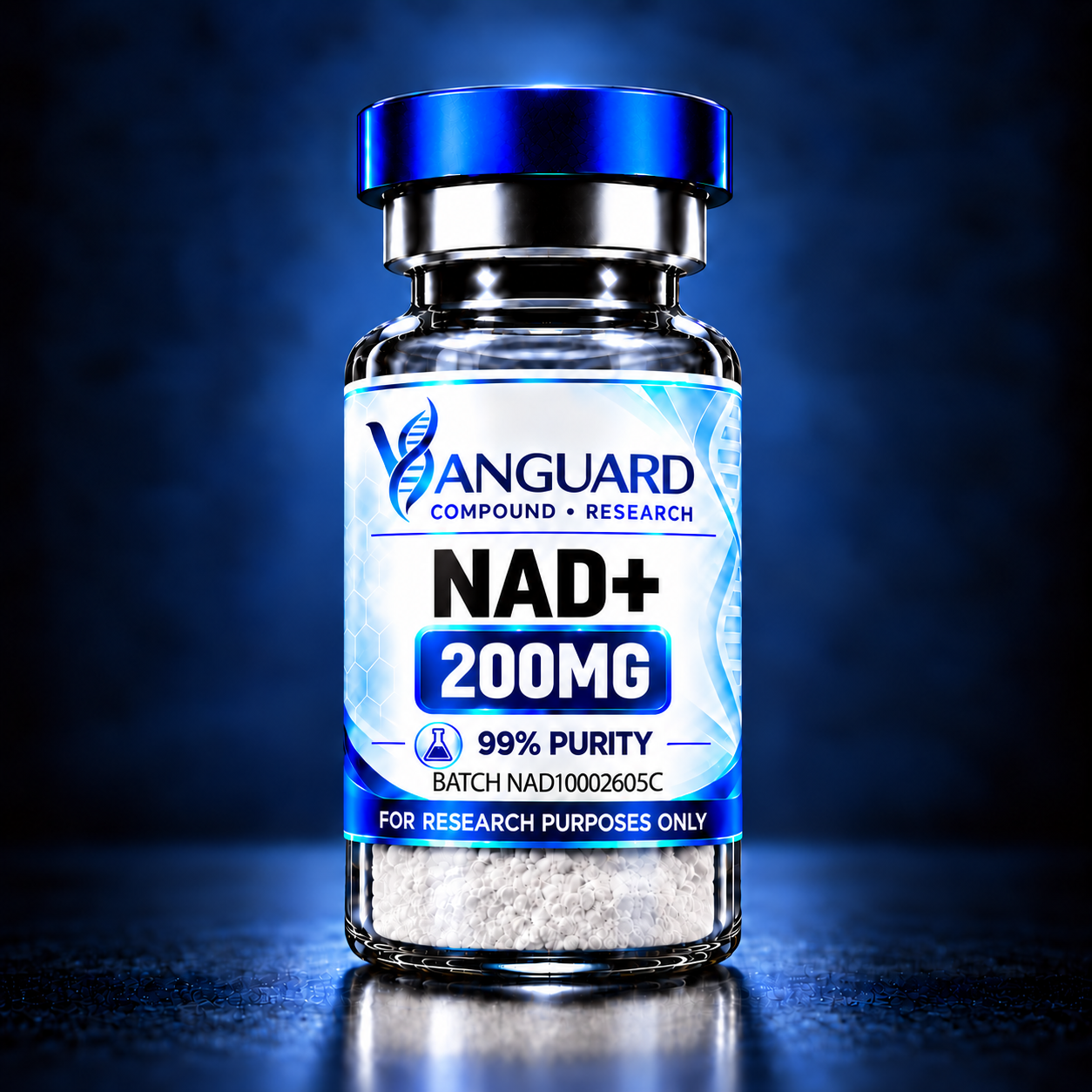
BPC-157 / TB-500 is a dual-peptide research blend combining BPC-157, a synthetic 15-amino-acid peptide, with TB-500, a research peptide associated with thymosin beta-4 biology. The combination is studied in experimental models involving tissue repair, cellular migration, angiogenic signalling, inflammatory pathways and recovery following tissue injury.
BPC-157 research has focused on gastrointestinal tissue, tendon, ligament, muscle, vascular and wound-repair models, while thymosin beta-4 research has examined actin regulation, endothelial-cell migration, angiogenesis and tissue-remodelling pathways. Together, these compounds provide researchers with a complementary model for investigating multiple biological processes involved in tissue maintenance and repair.
This material is intended for laboratory research only, is not authorized by Health Canada for human therapeutic use, and is not intended for human or veterinary administration.
Choose a kit option to save more, or skip this and buy individually above.

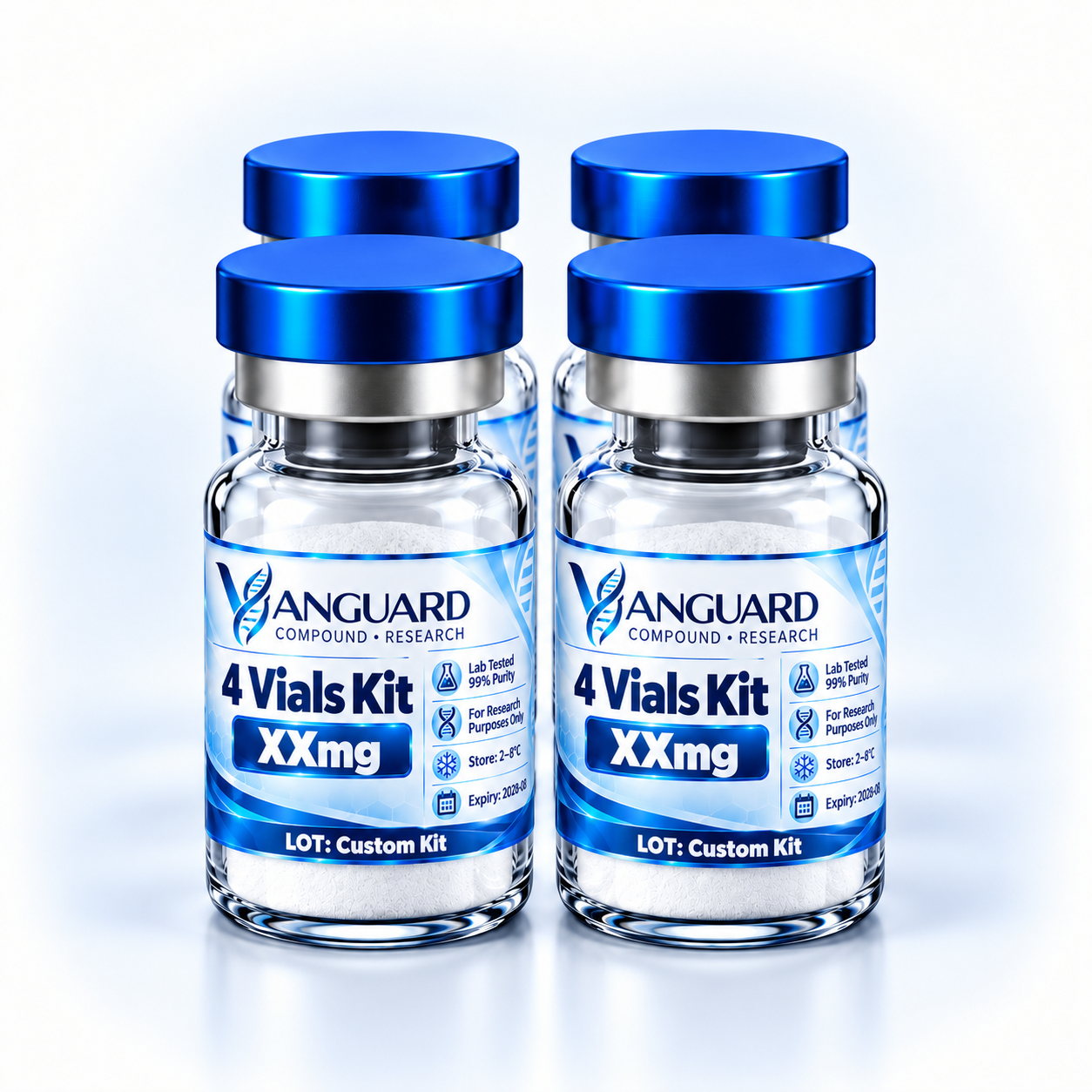


*LC-MS identity confirmation may be performed when analytical review indicates conflicting, atypical, or inconclusive results.
BPC-157 / TB-500 is a combined research formulation containing two peptides studied for their involvement in cellular repair, tissue remodelling and recovery-related biological pathways.
BPC-157 is a synthetic 15-amino-acid peptide with the sequence GEPPPGKPADDAGLV and a molecular weight of approximately 1,419 Da. Experimental research has investigated BPC-157 in models involving gastrointestinal tissue, muscle, tendon, ligament, vascular tissue, nerves and wound repair.
TB-500 is commonly associated with research involving thymosin beta-4 biology. Thymosin beta-4 is a naturally occurring 43-amino-acid peptide involved in actin regulation, cell migration, angiogenic signalling and tissue-remodelling processes.
Combining these two research compounds provides a model for studying different but potentially complementary mechanisms associated with cellular migration, vascular responses, tissue organisation and repair.
BPC-157 has received considerable experimental attention for its potential influence on tissue-protective and repair-associated pathways.
Preclinical studies have examined BPC-157 in models involving tendon and ligament injury, skeletal muscle damage, gastrointestinal lesions, vascular disruption and nervous-system injury. Proposed mechanisms investigated in these models include modulation of nitric-oxide signalling, angiogenic pathways, cellular migration and inflammatory responses.
Much of the available evidence remains derived from animal and laboratory research. Human evidence is comparatively limited, and recent scientific reviews continue to identify major gaps in standardized pharmacology, formulation, pharmacokinetics and controlled clinical investigation.
Thymosin beta-4 is a naturally occurring peptide found in many mammalian tissues and is particularly well known for its interaction with actin.
Actin is a fundamental component of the cellular cytoskeleton and contributes to cell movement, structural organization and tissue remodelling. Thymosin beta-4 binds monomeric G-actin and participates in regulation of actin availability within cells.
Research has also associated thymosin beta-4 with endothelial-cell migration, formation of vascular structures and wound-repair mechanisms. Experimental studies have identified specific regions of the thymosin beta-4 molecule associated with cellular migration and angiogenic activity.
Cellular migration is an essential component of normal tissue repair. Cells must move into damaged regions, reorganize extracellular structures and participate in rebuilding tissue.
BPC-157 and thymosin beta-4 have both been investigated independently in research involving these processes.
Thymosin beta-4 has demonstrated effects involving keratinocyte and endothelial-cell migration, actin organization and vascular development in experimental systems. BPC-157 research has separately examined cellular and vascular responses during wound and tissue-repair models.
The combination therefore provides a useful experimental model for investigating multiple signalling pathways involved in tissue remodelling rather than relying on a single molecular mechanism.
Angiogenesis is the biological process through which new blood vessels develop from existing vascular structures.
Thymosin beta-4 has been studied extensively for its relationship with endothelial-cell migration, adhesion, vascular sprouting and formation of capillary-like structures. Its actin-binding region has also been associated experimentally with angiogenic activity.
BPC-157 research has likewise examined vascular signalling and vascular responses in several experimental injury models.
These observations have made vascular remodelling and angiogenesis an important area of investigation when studying these peptides.
Experimental BPC-157 research includes models involving tendon, ligament and skeletal-muscle injury.
Researchers have examined changes in fibroblast activity, tissue organization, vascular response and functional recovery following experimentally induced tissue damage.
Thymosin beta-4 research provides an additional mechanistic area of interest because actin regulation and cell migration play central roles in tissue restructuring after injury.
These findings are primarily experimental and should not be interpreted as establishing a therapeutic effect in humans.
Thymosin beta-4 has an established experimental research history involving dermal and corneal wound healing.
Studies have examined its effects on cellular migration, inflammation, vascular development and tissue remodelling. Preclinical models and limited controlled clinical research involving thymosin beta-4 formulations have investigated dermal repair.
BPC-157 has separately been investigated in numerous experimental injury models, making wound and tissue-repair biology an area of overlapping scientific interest between the two compounds.
BPC-157 and thymosin beta-4 should not be considered equivalent in terms of available evidence.
BPC-157 research remains predominantly preclinical, with only very limited published human data.
Thymosin beta-4 has a broader published literature and has undergone some human investigation, but results involving pharmaceutical-grade thymosin beta-4 preparations cannot automatically be extrapolated to independently manufactured TB-500 research materials.
The commercial term TB-500 may also be used for different thymosin beta-4-derived materials. The exact peptide sequence and molecular identity of a particular TB-500 sample should therefore be established through supplier documentation and appropriate analytical testing rather than assumed from the product name alone.
HPLC purity does not independently establish peptide identity, total peptide quantity, sterility or endotoxin status. These characteristics require separate analytical methods where applicable.
For laboratory research only. Not for human or veterinary use.
Product name: BPC-157 / TB-500
Compound type: Dual-peptide research blend
Research classification: Tissue-repair and cellular-signalling research peptides
Research category: Tissue remodelling, cellular migration, angiogenic signalling and repair-pathway research
Total nominal content: 20 mg
BPC-157 content: 10 mg
TB-500 content: 10 mg
Format: Lyophilized research material supplied in a sealed laboratory vial
Intended classification: Laboratory research reagent
Name: BPC-157
Peptide length: 15 amino acids
Amino-acid sequence: GEPPPGKPADDAGLV
Approximate molecular weight: 1,419 Da
Structural class: Synthetic linear peptide
Research areas: Tissue-repair pathways, gastrointestinal research, vascular signalling, cellular migration, tendon and ligament models and inflammatory-response research.
Name: TB-500
Research association: Thymosin beta-4-related research
Research areas: Actin regulation, cellular migration, angiogenic signalling, endothelial-cell biology and tissue-remodelling research
Thymosin beta-4 itself is a naturally occurring 43-amino-acid peptide of approximately 5 kDa with an acetylated N-terminus.
Because the designation TB-500 is used commercially for more than one thymosin beta-4-related peptide preparation, the precise amino-acid sequence and molecular mass of the TB-500 component should be taken from the applicable raw-material specification or confirmed by analytical identity testing.
Physical form: Lyophilized powder
Typical appearance: White to off-white lyophilized material
Presentation: Sealed laboratory vial
Nominal blend ratio: 1:1 by labelled peptide mass
Nominal total content: 20 mg
Nominal composition: 10 mg BPC-157 + 10 mg TB-500
Physical appearance alone does not establish peptide identity, purity or quantity.
Primary purity assessment: High-performance liquid chromatography (HPLC)
Identity assessment: Mass-spectrometric or other suitable identity analysis where specifically performed
Purity reporting: Individual or combined batch-specific analytical results as applicable
Quantity/content determination: Independent quantitative analysis where performed
Blend identification: Both peptide components should be analytically identifiable when the testing method is capable of resolving the individual compounds
HPLC chromatographic purity should not independently be interpreted as confirmation of total vial content or confirmation that both components are present at the labelled quantities.
Each production batch should be identified using its individual lot or batch number and linked directly to the corresponding analytical documentation.
Where performed, batch documentation may include:
Only analytical tests actually performed on the applicable batch should be represented as completed.
Sterility, endotoxin, microbial or pharmaceutical-quality characteristics should not be implied unless specifically evaluated using an appropriate validated analytical method.
Recommended storage: 2–8°C
Light exposure: Protect from unnecessary light exposure
Moisture: Maintain in a sealed, dry environment
Container: Keep vial securely closed until required for laboratory analysis
Stability: Batch-specific stability should not be assumed beyond available analytical or manufacturer documentation
Storage information relates solely to preservation of laboratory research material and does not constitute preparation or administration instructions.
BPC-157 / TB-500 supplied under this specification is intended exclusively for:
Not for human consumption.
Not for human or veterinary use.
Not intended for diagnosis, treatment, cure or prevention of disease.
Not represented as sterile or suitable for injection unless such characteristics have been independently established through appropriate validated testing.
Product specifications describe the general identity and research classification of the BPC-157 / TB-500 blend.
Actual identity, purity, quantity, blend ratio and other analytical characteristics are batch-specific and should be determined from the Certificate of Analysis and supporting laboratory documentation for the applicable lot.
Published research involving BPC-157 or thymosin beta-4 should not be interpreted as analytical verification or clinical validation of independently supplied BPC-157 / TB-500 research material.
For laboratory research only. Not for human or veterinary use.
No documents available for this product yet.
Additional documentation available upon request.
Each batch undergoes analytical review using validated laboratory procedures. HPLC testing is utilized to assess purity and compare the sample profile against established reference standards. Where additional verification is warranted, LC-MS analysis may be performed to support compound identity confirmation.
*See LC-MS Confirmation Information for full details.
Every batch supplied by Vanguard Compound Research is assigned a unique batch number and maintained under documented quality-control procedures with supporting analytical documentation available upon request.
All Vanguard Compound Research orders are shipped directly from within Canada, ensuring efficient delivery, reliable service, and consistent quality-control from fulfillment to arrival.
Products are maintained under documented quality-control procedures to help ensure quality, consistency, and transparency.
Each product is assigned a unique lot number, allowing researchers to match their item directly to its corresponding Certificate of Analysis (COA).
Supporting analytical documentation may be available for qualifying products, including batch-specific quality records and testing information.
Documentation may include: