Free shipping on all orders $250CAD or more within Canada.

CJC 1295 NO DAC/ Ipamorelin - 5mg/5mg

  • HOME
  • |
  • CJC 1295 NO DAC/ Ipamorelin - 5mg/5mg

CJC 1295 NO DAC/ Ipamorelin - 5mg/5mg

SKU CP102605A

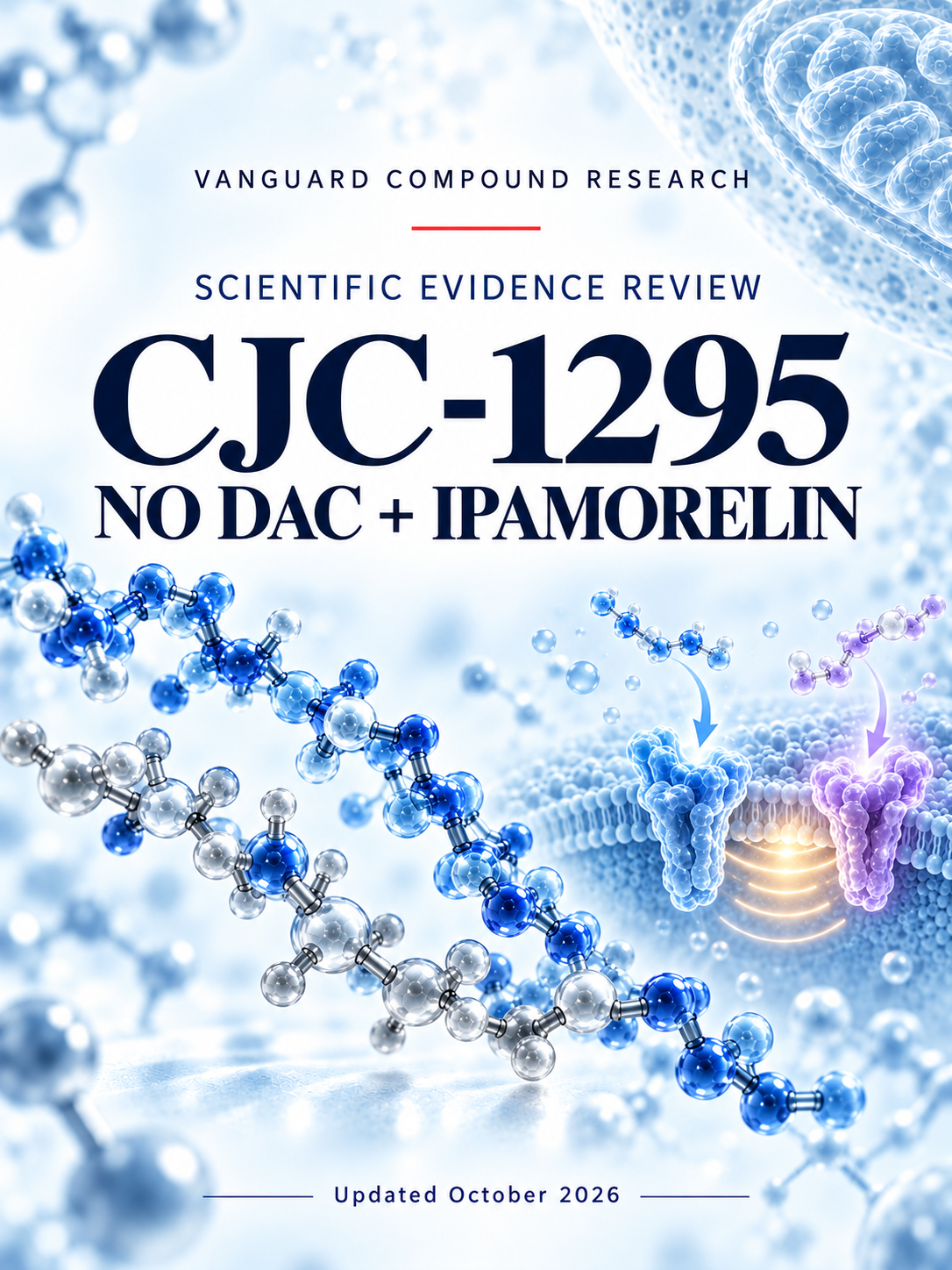
CJC-1295 (No DAC) + Ipamorelin is a dual-peptide research blend combining a modified growth hormone-releasing hormone (GHRH) analogue with a selective growth hormone secretagogue. CJC-1295 (No DAC), also known as Modified GRF (1-29), is studied for its interaction with the GHRH receptor, while Ipamorelin acts through the growth hormone secretagogue receptor (GHSR), also known as the ghrelin receptor.

Because the two peptides influence growth hormone signaling through different receptor pathways, the combination is of interest in research examining coordinated GH release, downstream IGF-1 signaling, metabolic regulation, cellular repair processes, protein turnover and other growth-hormone-related biological pathways. Ipamorelin has also been evaluated in human pharmacokinetic and pharmacodynamic research, where it produced measurable growth hormone responses.

The blend provides researchers with two complementary compounds in a single preparation for controlled laboratory investigation of the GH/IGF-1 axis and related endocrine signaling mechanisms. Research involving the combination remains investigational, and findings from either peptide individually should not automatically be interpreted as evidence for the combined preparation.

This material is intended for laboratory research only, is not authorized by Health Canada for human therapeutic use, and is not intended for human or veterinary administration.


CA$79.99

In Stock

Choose a kit option to save more, or skip this and buy individually above.

Save 9%
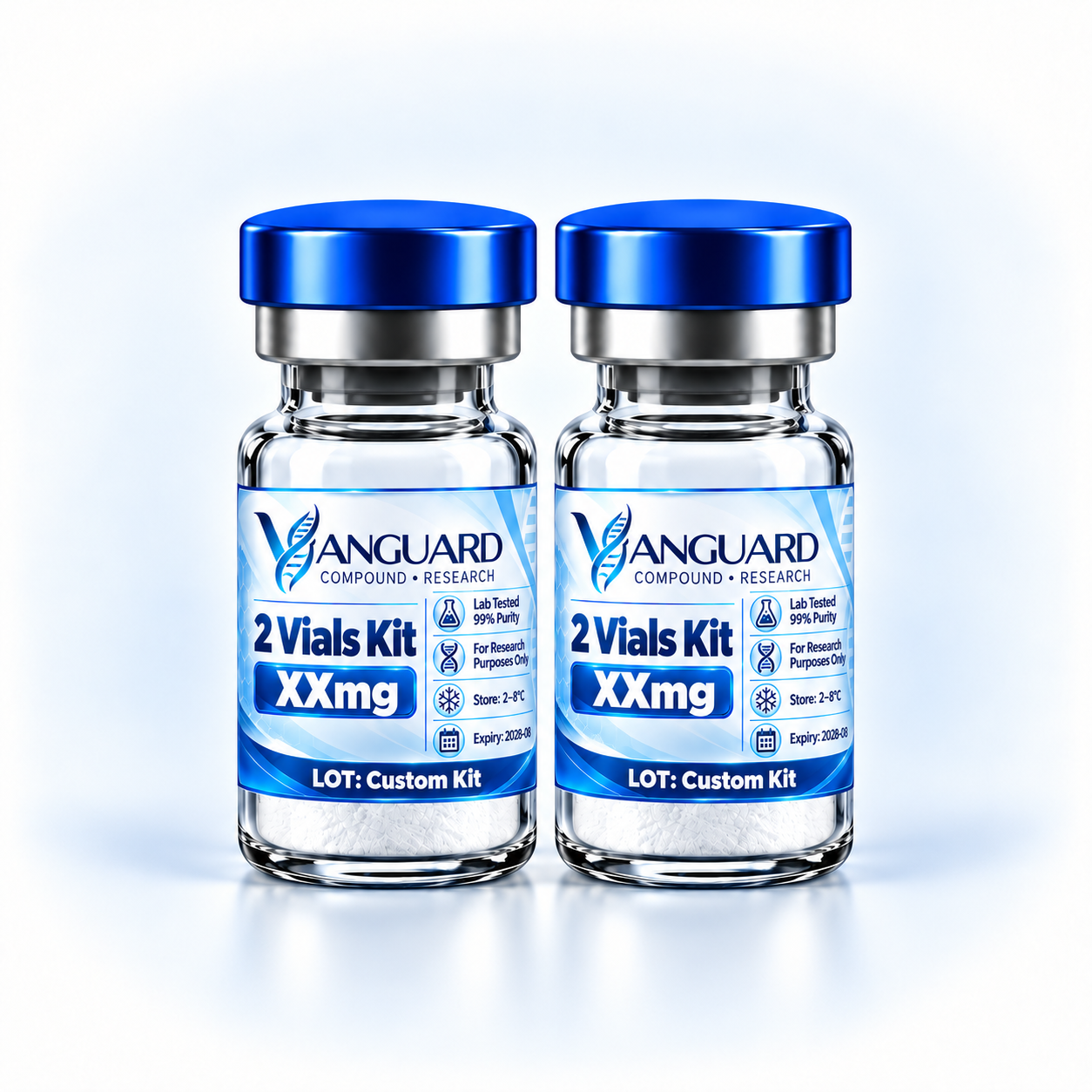
2 Vials x 10mg
CA$145.00 CA$160.00
Save 13%
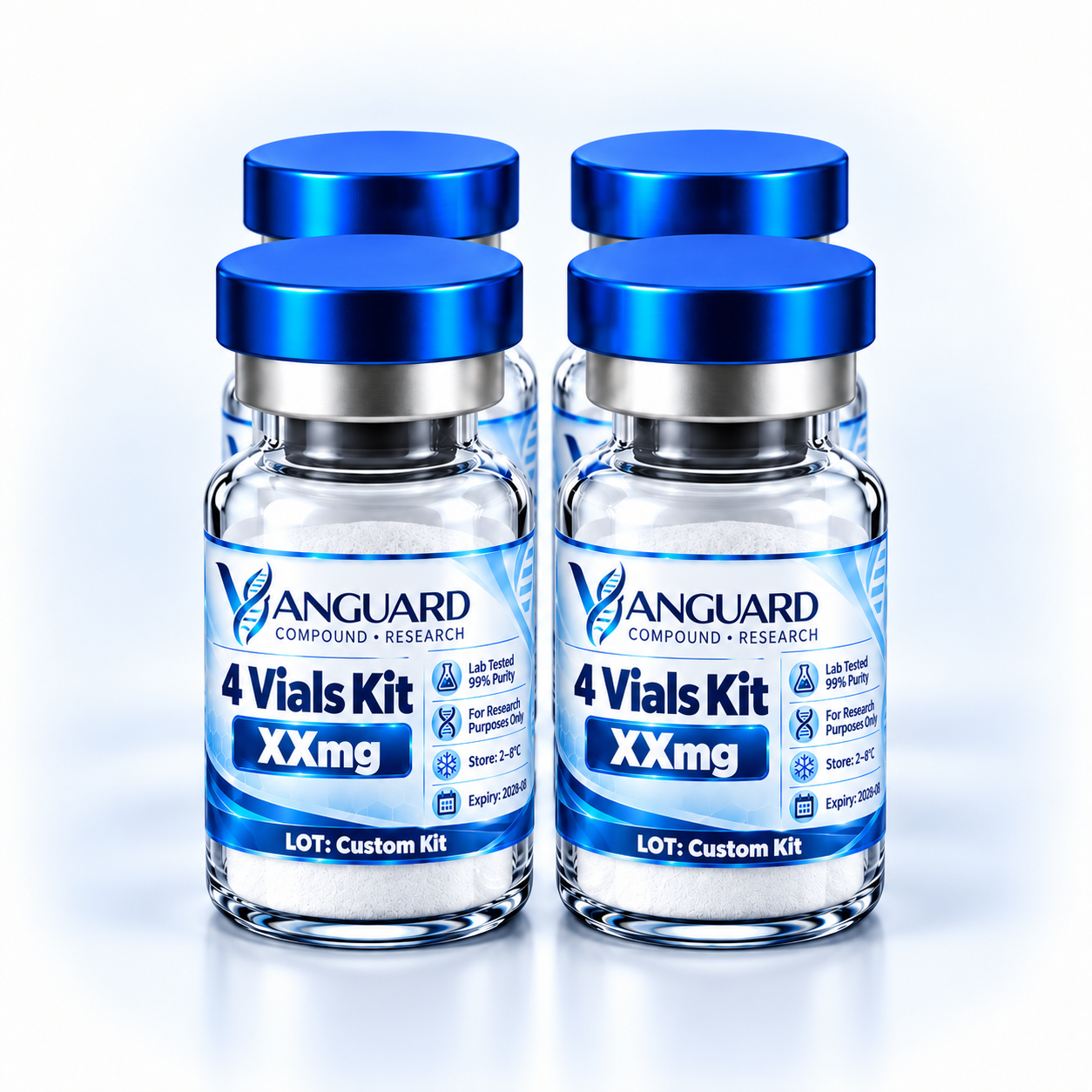
4 Vials x 10mg
CA$280.00 CA$320.00
Save 20%
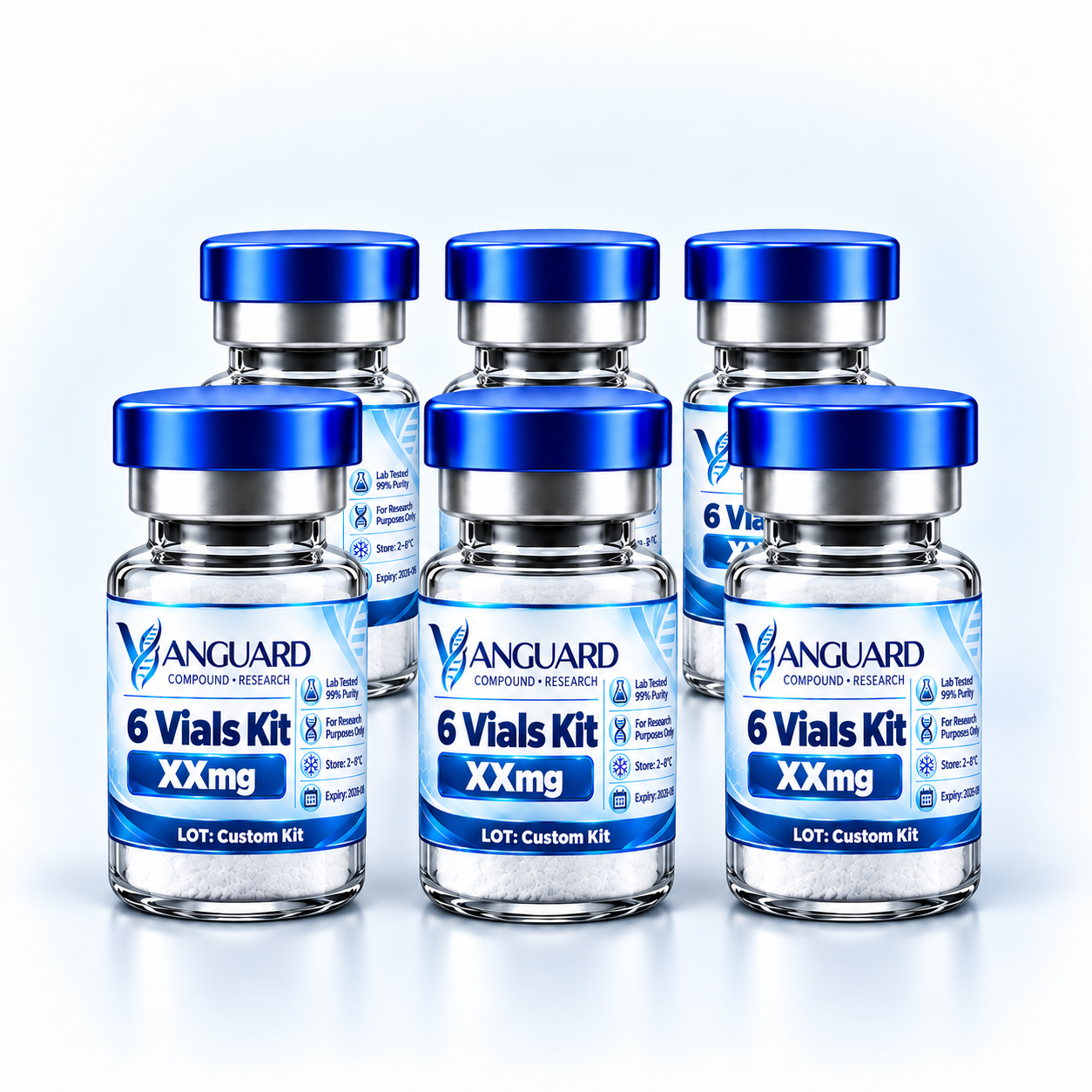
6 Vials x 10mg
CA$385.00 CA$480.00
Save 28%
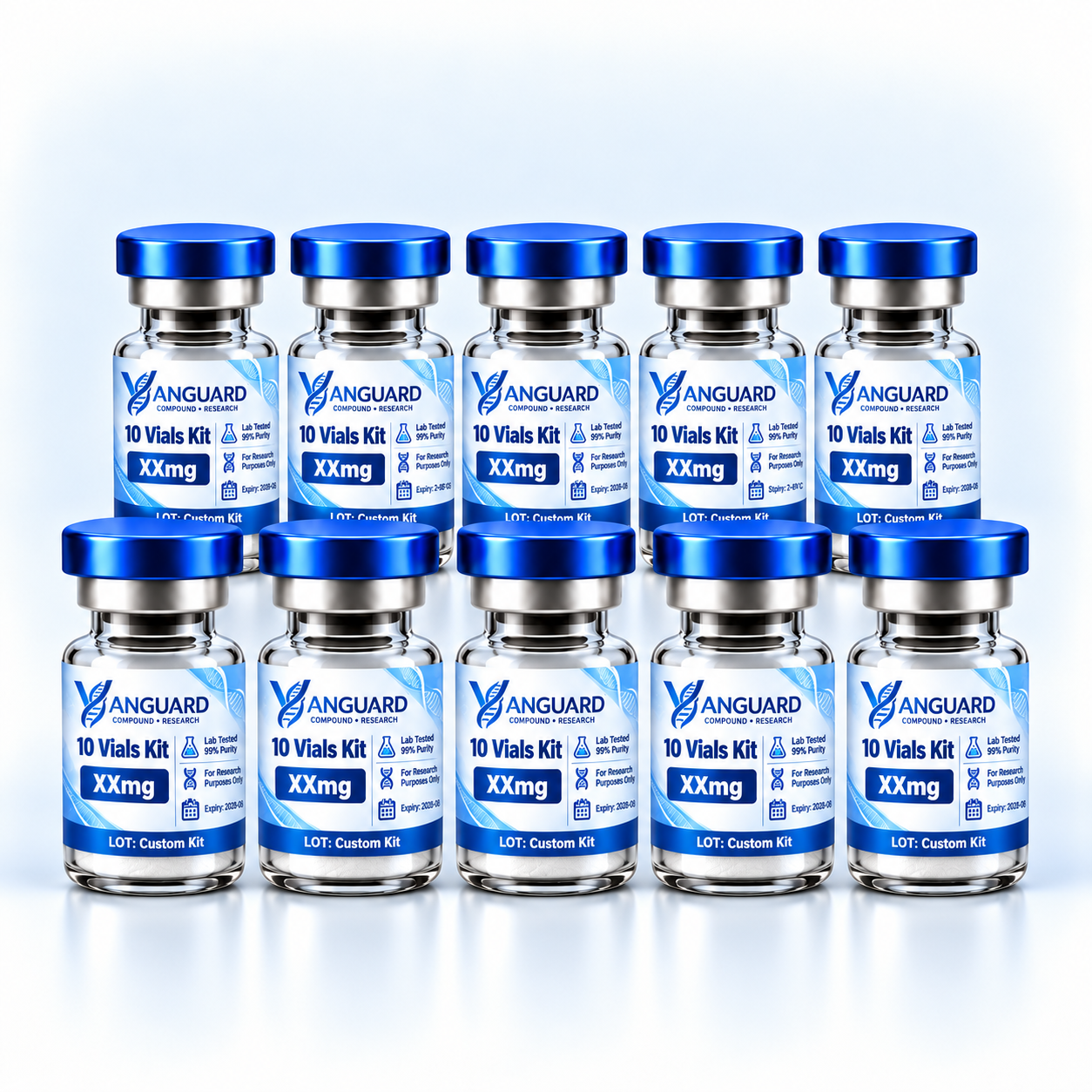
10 Vials x 10mg
CA$575.00 CA$800.00
HPLC Purity Verified
Batch Documented
LC-MS Confirmation Available
2°C Storage

*LC-MS identity confirmation may be performed when analytical review indicates conflicting, atypical, or inconclusive results.

CJC-1295 (No DAC) + Ipamorelin Research Overview

What is CJC-1295 (No DAC) + Ipamorelin?

CJC-1295 (No DAC) + Ipamorelin combines two synthetic peptides that interact with separate signaling systems involved in growth hormone regulation.

CJC-1295 (No DAC) is the name commonly used in the research-compound market for Modified GRF (1-29), a 29-amino-acid analogue of the active N-terminal portion of growth hormone-releasing hormone. The peptide contains amino-acid substitutions intended to improve resistance to enzymatic degradation while retaining activity at the GHRH receptor. Unlike CJC-1295 with DAC, the No-DAC form does not contain the albumin-binding Drug Affinity Complex and is chemically distinct from the DAC-containing molecule.

Ipamorelin is a synthetic pentapeptide and ghrelin-receptor agonist classified as a growth hormone secretagogue. It interacts primarily with the growth hormone secretagogue receptor, or GHSR, and has demonstrated the ability to stimulate growth hormone release in experimental and human research settings.

Understanding the Blend in Simple Terms

Growth hormone release is controlled by multiple signaling systems rather than a single biological switch.

CJC-1295 (No DAC) approaches this system through the GHRH pathway. GHRH is one of the body's natural signals responsible for communicating with pituitary somatotroph cells involved in growth hormone secretion.

Ipamorelin approaches the system through the ghrelin/GHSR pathway. Although this is a separate receptor system, activation of GHSR can also influence growth hormone secretion.

This makes the blend scientifically interesting because researchers can investigate two complementary upstream signals within the same experimental model rather than examining only one receptor pathway.

Growth Hormone Signaling

The primary research interest surrounding this combination centers on regulation of the growth hormone axis.

Modified GRF (1-29) analogues have been studied for their interaction with GHRH receptors and their ability to influence growth hormone release. Earlier research into GRF analogues demonstrated that specific amino-acid substitutions can improve receptor binding, resistance to degradation and biological activity compared with native GRF fragments.

Ipamorelin has separately demonstrated growth-hormone-releasing activity in human volunteers. In a pharmacokinetic and pharmacodynamic study involving healthy male subjects, Ipamorelin produced a measurable episode of GH release following administration across the studied dose range.

The scientific rationale for studying the combination therefore comes from activation of two distinct regulatory pathways that converge on growth hormone signaling.

GH / IGF-1 Axis Research

Growth hormone participates in a wider endocrine network that includes insulin-like growth factor-1, commonly known as IGF-1.

GH signaling can influence hepatic IGF-1 production as well as numerous downstream pathways associated with cellular growth, protein metabolism, energy regulation and tissue remodeling. Because CJC-1295 (No DAC) and Ipamorelin are studied upstream of this system, the blend is useful in experimental models examining how altered growth hormone signaling may affect downstream biological responses.

This does not mean every biological effect associated with GH or IGF-1 has been independently demonstrated with the CJC-1295 (No DAC) + Ipamorelin combination. Much of the mechanistic rationale is based on the known biology of the GH axis and research conducted on the individual compounds.

Metabolic and Body-Composition Research

Growth hormone signaling has long been investigated in relation to lipid metabolism, protein turnover, glucose regulation and changes in body composition.

As a result, growth-hormone-releasing compounds are frequently used in experimental research examining metabolic signaling and the relationship between endocrine activity and nutrient utilization.

For CJC-1295 (No DAC) + Ipamorelin specifically, these areas should be considered research objectives rather than established clinical outcomes. Controlled human research on the exact combination remains limited.

Tissue Repair and Recovery Research

The GH/IGF-1 signaling system also participates in cellular proliferation, protein synthesis, connective-tissue biology and tissue remodeling.

These mechanisms have created research interest in growth-hormone-related compounds in models involving muscle tissue, connective tissue, recovery signaling and regenerative biology.

The biological connection is mechanistically plausible because of the established functions of GH and IGF-1 signaling, but direct evidence demonstrating specific regenerative outcomes from the CJC-1295 (No DAC) + Ipamorelin blend remains limited.

Human Research Context

Of the two components, Ipamorelin has documented human research.

A pharmacokinetic/pharmacodynamic study evaluated Ipamorelin in healthy male volunteers and demonstrated dose-related exposure together with measurable growth hormone release. Ipamorelin was also later evaluated in a randomized Phase II clinical study involving postoperative ileus, although the principal efficacy endpoints in that study were not significantly different from placebo.

Human data specifically evaluating CJC-1295 (No DAC) combined with Ipamorelin are much more limited. Research findings involving Ipamorelin alone, Modified GRF analogues, native GHRH or CJC-1295 with DAC should therefore not be treated as direct proof of outcomes from this exact combination.

Current Research Significance

CJC-1295 (No DAC) + Ipamorelin remains primarily valuable as a laboratory research model for examining the interaction between two endocrine signaling pathways involved in growth hormone regulation.

Areas of research interest include growth hormone secretion, GHRH receptor signaling, GHSR signaling, GH/IGF-1 pathway activity, metabolic regulation, protein turnover, cellular signaling and endocrine feedback mechanisms.

The combination provides a useful platform for investigating how simultaneous activation of separate upstream pathways may influence the broader growth hormone axis.

Research Limitations

Published evidence varies considerably between the two compounds.

Ipamorelin has been directly examined in human subjects, while much of the evidence surrounding Modified GRF (1-29) involves peptide chemistry, receptor activity, related GRF analogues and preclinical models. Evidence involving CJC-1295 with DAC must also be distinguished from CJC-1295 (No DAC), because the DAC and No-DAC forms are chemically and pharmacokinetically different compounds.

Research findings should therefore be interpreted according to the specific compound, experimental model and analytical conditions used in each study.

For laboratory research only. Not for human or veterinary use.

CJC-1295 (No DAC) + Ipamorelin Product Specifications

Product Identification

Product Name: CJC-1295 (No DAC) + Ipamorelin

Full Name: Modified GRF (1-29) + Ipamorelin

Compound Type: Synthetic peptide blend

Research Category: Growth hormone signaling / GHRH and GHSR research

Blend Composition: CJC-1295 (No DAC) + Ipamorelin

Total Peptide Content: 10 mg

Composition: 5 mg CJC-1295 (No DAC) + 5 mg Ipamorelin

Presentation: Single research vial

Physical Form: Lyophilized powder

Batch: CP102605A

Molecular Structure and Composition

CJC-1295 (No DAC)

Alternative Name: Modified GRF (1-29), Mod GRF (1-29)

Compound Classification: GHRH analogue

Peptide Length: 29 amino acids

Molecular Formula: C152H252N44O42

Molecular Weight: Approximately 3367.9 g/mol

CAS Number: 863288-34-0

Structural Characteristic: Modified GRF (1-29) analogue without Drug Affinity Complex

Primary Research Target: Growth hormone-releasing hormone receptor

The No-DAC form is chemically distinct from CJC-1295 with DAC and should not be identified using the molecular specifications of the DAC-containing compound.

Ipamorelin

Compound Classification: Growth hormone secretagogue / ghrelin mimetic

Peptide Length: 5 amino-acid residues

Molecular Formula: C38H49N9O5

Molecular Weight: 711.9 g/mol

CAS Number: 170851-70-4

PubChem CID: 9831659

Peptide Sequence: Aib-His-D-2-Nal-D-Phe-Lys-NH2

Primary Research Target: Growth hormone secretagogue receptor (GHSR / ghrelin receptor)

Physical Characteristics

Appearance: White to off-white lyophilized powder

Physical State: Lyophilized peptide material

Container: Sealed research vial

Nominal Content: 10 mg total peptide blend

Composition Ratio: 1:1 CJC-1295 (No DAC) to Ipamorelin

The appearance of lyophilized research material may vary slightly according to manufacturing, lyophilization and formulation conditions without necessarily indicating a difference in peptide identity.

Analytical Characterization

Primary Purity Method: High-Performance Liquid Chromatography (HPLC)

Identity Testing: Mass-based analytical confirmation where specified on the corresponding Certificate of Analysis

Purity Standard: Target ≥99% peptide purity

Quantitative Content: Batch-specific where independently tested

Because the product contains two separate peptide compounds, analytical interpretation should account for the identity and chromatographic behavior of each component rather than treating the blend as a single molecular entity.

Batch-Testing Information

Batch: CP102605A

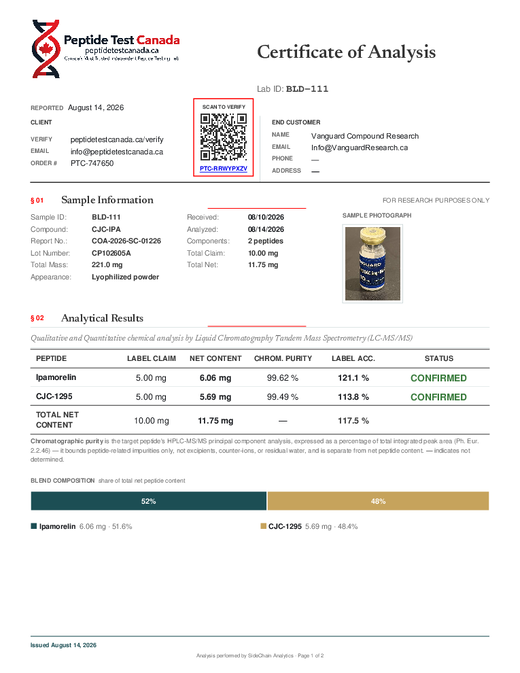
Batch-specific analytical documentation should be used to confirm the purity, identity and quantitative characteristics of the material supplied.

Analytical results apply only to the specific batch tested and should not automatically be applied to separate manufacturing lots.

Where available, the corresponding Certificate of Analysis should be reviewed for the actual analytical results associated with this batch.

Storage and Stability

Recommended Storage: 2–8°C

Storage Condition: Refrigerated

Light Exposure: Protect from direct light

Moisture Exposure: Protect from excessive moisture and humidity

Form: Store in lyophilized form under appropriate controlled conditions until required for laboratory analysis.

Peptide stability can be affected by temperature, moisture, light exposure and repeated environmental changes. Long-term stability should be determined according to validated laboratory procedures and batch-specific analytical data.

Analytical Limitations

HPLC purity represents the relative chromatographic purity of detectable components under the analytical conditions used and should not independently be interpreted as confirmation of peptide identity, absolute peptide quantity, sterility or biological activity.

Identity testing and quantitative content determination require appropriate analytical methods and reference standards.

Results from one production batch should not automatically be extrapolated to another batch.

Intended-Use Restrictions

CJC-1295 (No DAC) + Ipamorelin is supplied exclusively as a laboratory research material.

The product is intended for analytical, biochemical and experimental research conducted by appropriately qualified individuals in controlled laboratory environments.

Not for human consumption.

Not for veterinary use.

Not for diagnostic or therapeutic use.

Not intended to diagnose, treat, cure or prevent any disease or medical condition.

Documentation Notice

Product specifications describe the chemical, physical and analytical characteristics of the research material and are provided for laboratory identification and documentation purposes.

Scientific information describing biological pathways or published experimental findings is provided for research context only and should not be interpreted as medical advice, therapeutic guidance or evidence of an approved clinical application.

For batch-specific information, researchers should refer to the corresponding Certificate of Analysis and analytical documentation supplied for Batch CP102605A

Certificates & Lab Reports

TESTING METHODOLOGY

Each batch undergoes analytical review using validated laboratory procedures. HPLC testing is utilized to assess purity and compare the sample profile against established reference standards. Where additional verification is warranted, LC-MS analysis may be performed to support compound identity confirmation.

OUR ANALYTICAL VERIFICATION PROGRAM

  • Primary Testing: HPLC purity analysis and reference comparison
  • Identity Confirmation: LC-MS performed when indicated*
  • Quality Standards: Batch traceability, analytical documentation, third-party testing and storage procedures

*See LC-MS Confirmation Information for full details.

Every batch supplied by Vanguard Compound Research is assigned a unique batch number and maintained under documented quality-control procedures with supporting analytical documentation available upon request.

SHIPPING & FULFILLMENT

FULFILLMENT INFORMATION
Ships from Canada

All orders ship from within Canada.

Batch Documentation Available

Batch records and analytical documentation may be provided for qualifying products.

Secure Packaging

Products are packaged securely to ensure safe delivery.

Tracking Provided

Tracking information is provided for every shipment.

Temperature-Conscious Handling

Frozen or ambient-safe packaging used as appropriate.

All Vanguard Compound Research orders are shipped directly from within Canada, ensuring efficient delivery, reliable service, and consistent quality-control from fulfillment to arrival.

Canadian Researchers Benefit From:

  • Domestic shipping with no customs delays
  • Batch-specific third-party laboratory testing
  • Full lot number traceability on every product
  • Access to batch-specific Certificates of Analysis (COAs)
  • Dedicated customer support

Canada-Wide Fulfillment:

  • Orders processed Monday through Friday
  • Shipments dispatched throughout Canada
  • Discreet and secure packaging
  • Tracking provided with every shipment

Batch Documentation & Testing

Products are maintained under documented quality-control procedures to help ensure quality, consistency, and transparency.

  • HPLC purity analysis
  • Reference-standard comparison
  • Additional verification procedures (e.g. LC-MS confirmation) may be performed where warranted
  • Lot number traceability

Each product is assigned a unique lot number, allowing researchers to match their item directly to its corresponding Certificate of Analysis (COA).

Analytical Documentation

Supporting analytical documentation may be available for qualifying products, including batch-specific quality records and testing information.

Documentation may include:
  • Batch Number
  • Analytical Results
  • Traceability Records
  • Storage Information

RELATED PRODUCTS