Tirzepatide is a synthetic 39-amino-acid lipidated peptide designed as a dual agonist of the GIP and GLP-1 receptors. Researchers study it in laboratory and clinical settings for its effects on metabolic signalling, glucose regulation, appetite, lipid metabolism, energy balance and body-weight regulation.
Research involving Tirzepatide examines how simultaneous activation of GIP and GLP-1 receptor pathways may influence insulin signalling, nutrient metabolism, appetite-related signalling and changes in body composition. Its dual-receptor activity provides an important research model for studying the interaction between two major incretin pathways.
This material is intended for laboratory research only, is not authorized by Health Canada for human therapeutic use, and is not intended for human or veterinary administration.
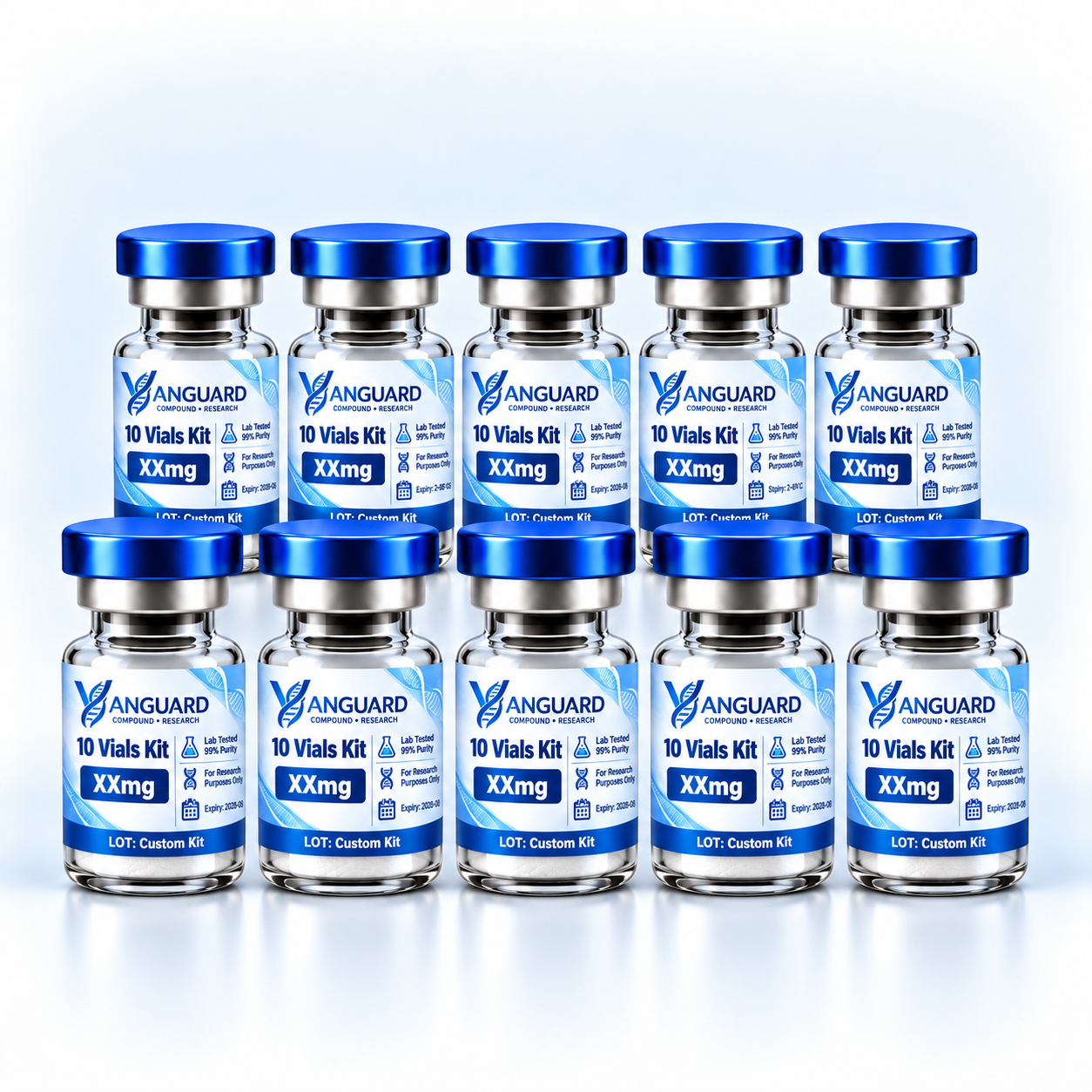
Choose a kit option to save more, or skip this and buy individually above.

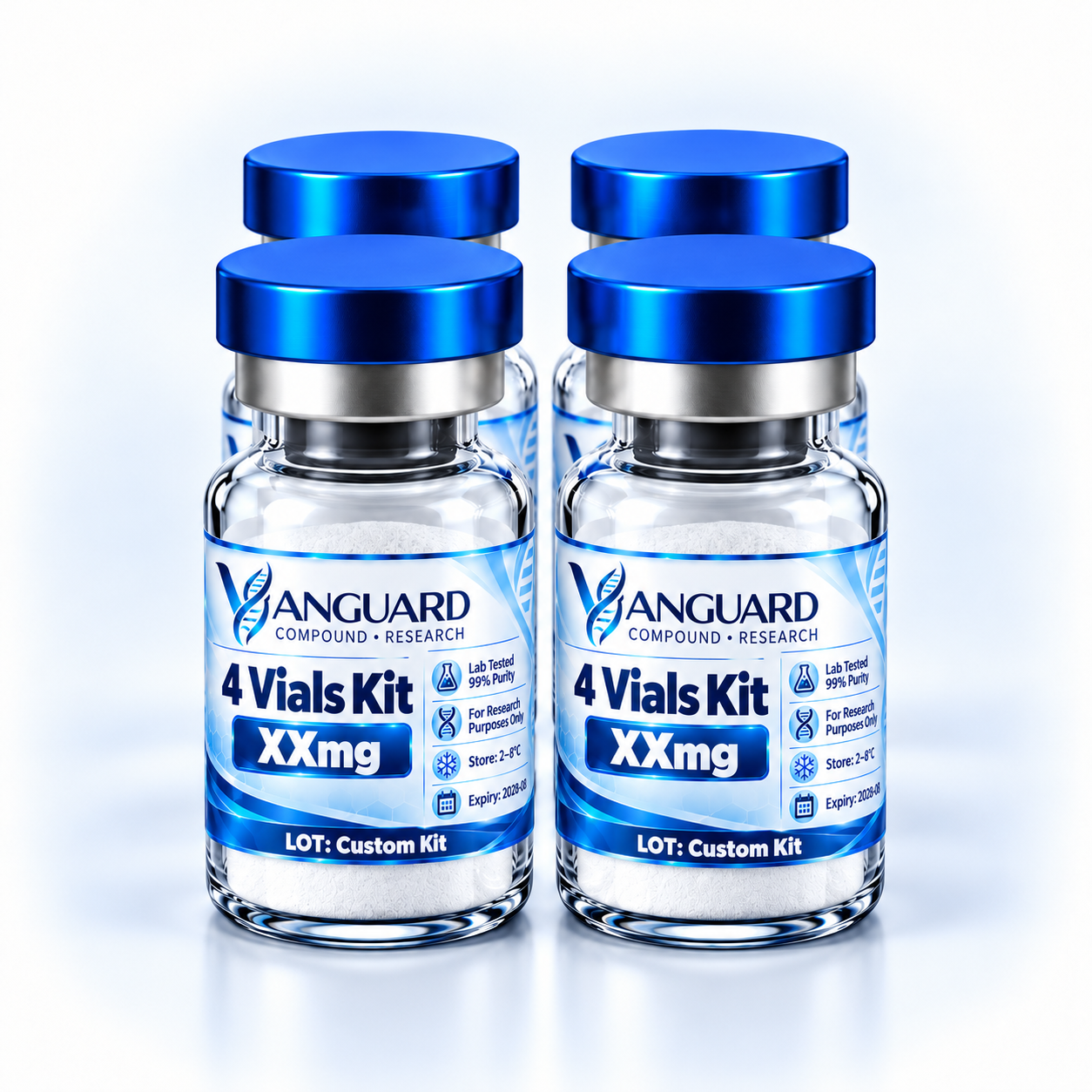
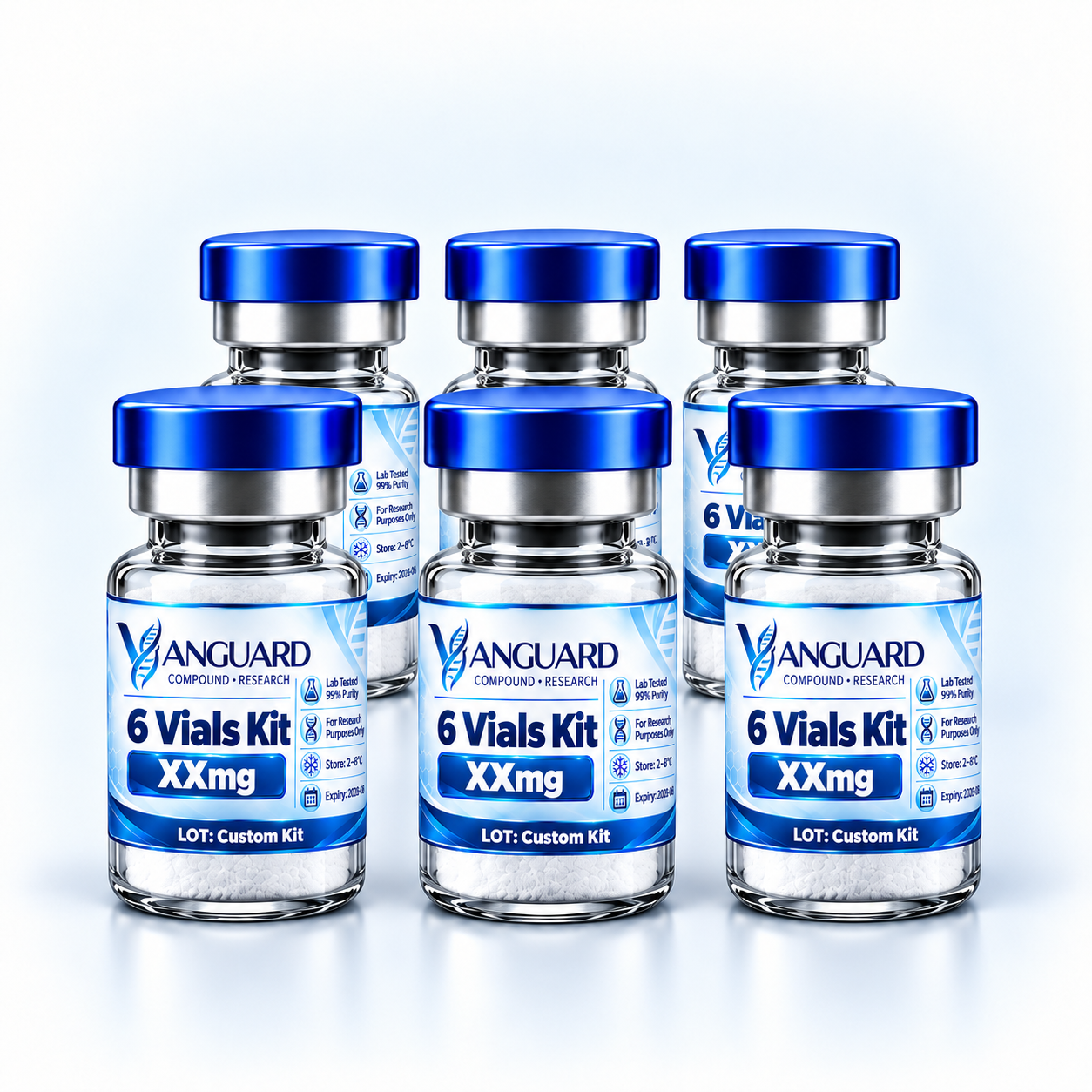

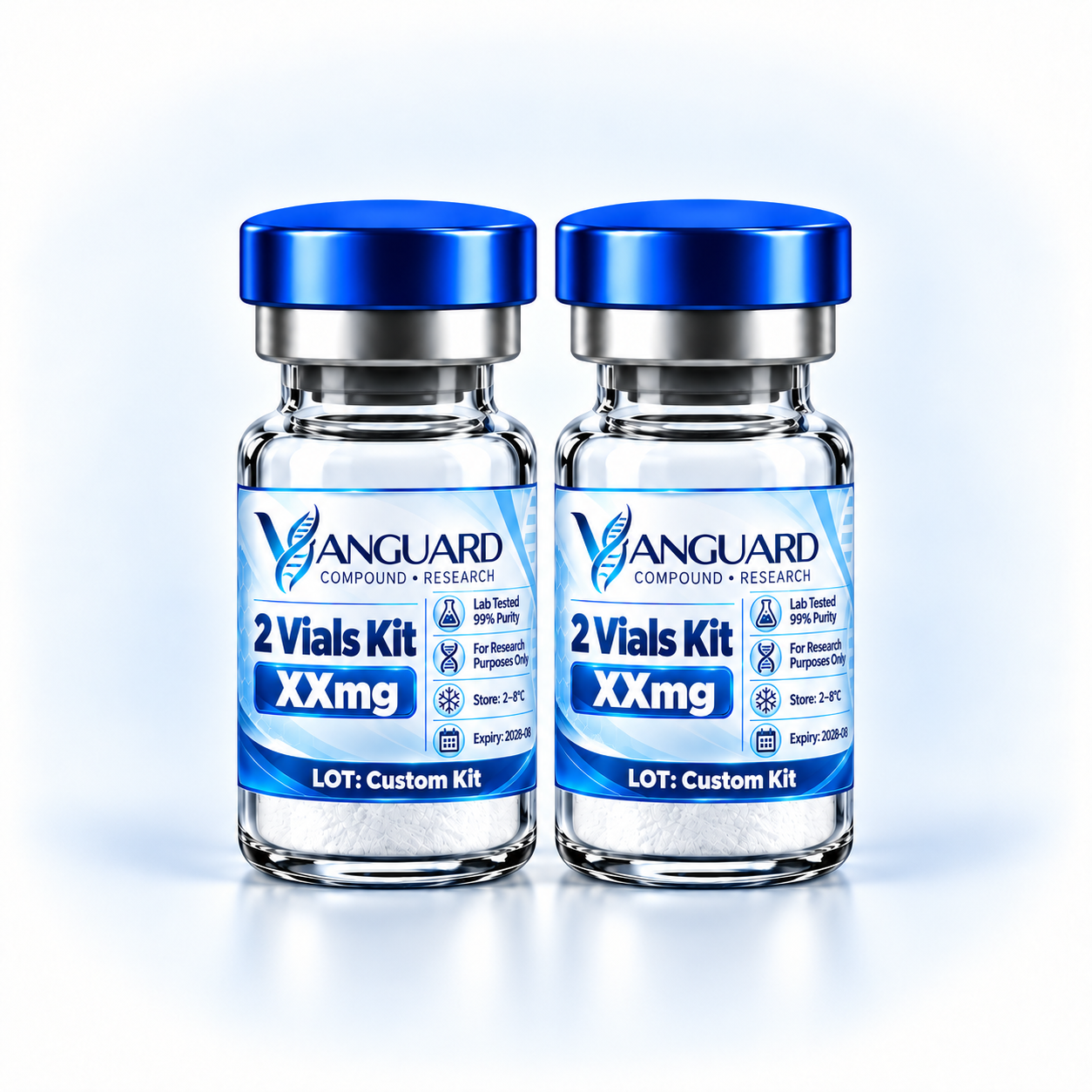
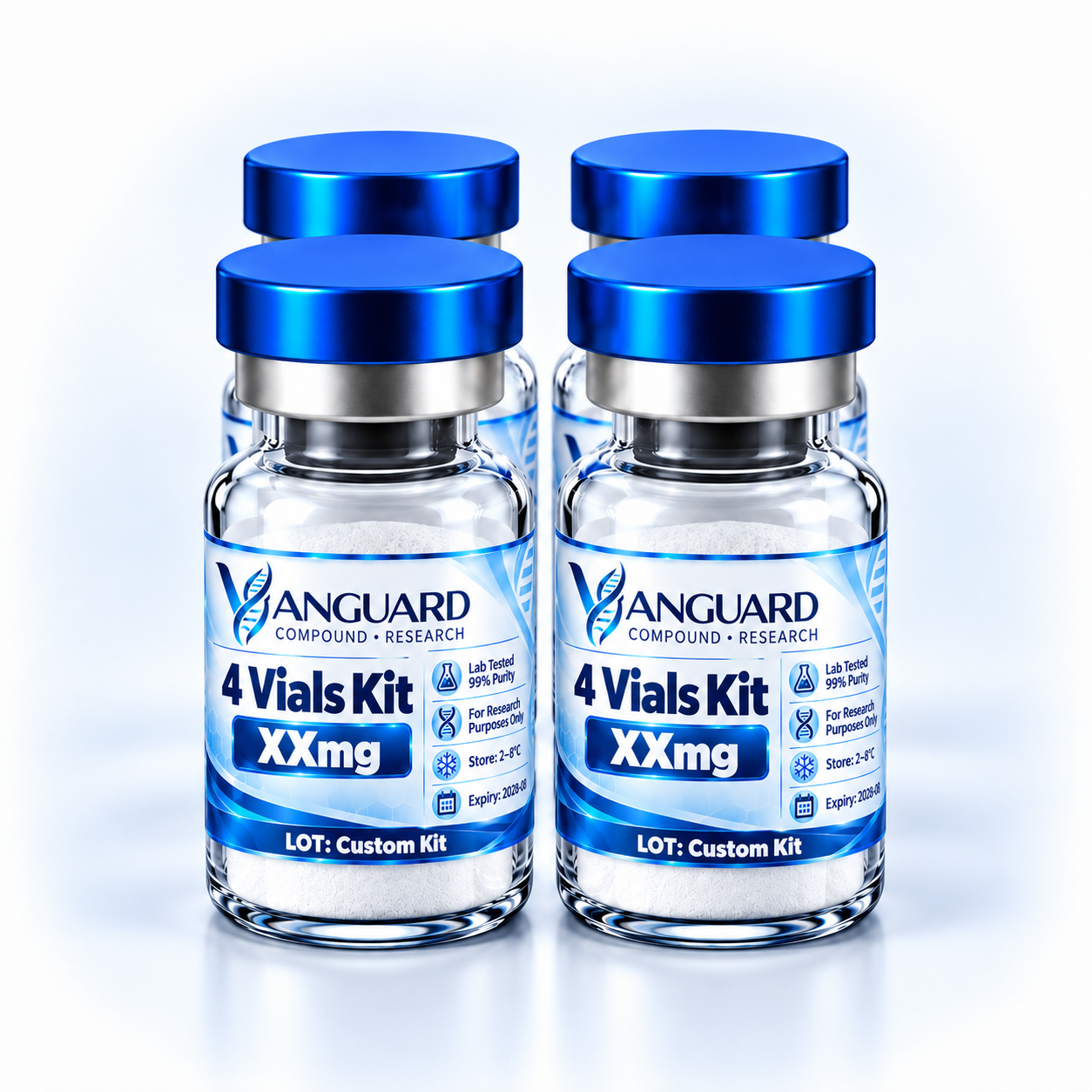

*LC-MS identity confirmation may be performed when analytical review indicates conflicting, atypical, or inconclusive results.
Tirzepatide is a synthetic, lipidated peptide engineered to interact with two important metabolic hormone receptors: the glucose-dependent insulinotropic polypeptide receptor (GIPR) and the glucagon-like peptide-1 receptor (GLP-1R).
Unlike compounds that selectively target only GLP-1 receptor signalling, Tirzepatide combines GIP and GLP-1 receptor activity within a single molecule. This dual-receptor design has made it an important research compound for investigating glucose homeostasis, insulin signalling, appetite regulation, nutrient metabolism, energy balance and body-weight regulation.
Structurally, Tirzepatide is a 39-amino-acid linear peptide derived primarily from the native GIP sequence and modified to provide activity at both GIP and GLP-1 receptors. A fatty-diacid side chain incorporated into the molecule promotes albumin association and contributes to its extended biological persistence.
GIP and GLP-1 are naturally occurring incretin hormones released in response to nutrient intake. Both participate in the regulation of glucose-dependent insulin secretion, but each receptor also contributes additional metabolic signals.
GLP-1 receptor signalling is associated with glucose-dependent insulin secretion, glucagon regulation, gastric activity, appetite signalling and nutrient handling.
GIP receptor signalling is involved in glucose-responsive insulin signalling, nutrient metabolism and metabolic communication between pancreatic, adipose and other tissues.
Tirzepatide allows researchers to investigate the biological effects that occur when these two incretin pathways are activated simultaneously through a single molecular structure.
This combined activity provides a model for studying whether coordinated GIP and GLP-1 signalling produces metabolic responses that differ from selective activation of either receptor alone.
One of the primary areas of Tirzepatide research involves the regulation of glucose metabolism.
Both GIP and GLP-1 receptors participate in glucose-dependent pancreatic insulin signalling. Activation of these pathways is therefore studied for its effects on circulating glucose, insulin response, insulin sensitivity and broader metabolic homeostasis.
Researchers have investigated how dual-receptor activation may influence glucose handling under fasting and nutrient-stimulated conditions and how these effects interact with changes in body composition and energy balance.
Clinical and experimental research has demonstrated that Tirzepatide produces measurable changes in glycemic markers, making glucose regulation one of the most extensively studied aspects of its pharmacology.
Tirzepatide is also extensively studied in relation to appetite, food intake and body-weight regulation.
GLP-1 receptor signalling has an established role in pathways associated with satiety and food intake, while GIP receptor signalling may influence nutrient processing, adipose-tissue biology and metabolic responses to food.
Research involving simultaneous GIP and GLP-1 receptor activation has examined whether these pathways can interact to influence energy intake and longer-term changes in body composition.
Controlled human studies have demonstrated substantial changes in body weight within studied populations, creating considerable scientific interest in the mechanisms responsible for these observations. These findings apply to controlled clinical research and should not be interpreted as establishing equivalent outcomes for independently supplied research materials.
Beyond glucose signalling, Tirzepatide research has examined changes in lipid metabolism, circulating triglycerides, waist circumference and several other cardiometabolic measurements.
These observations have encouraged broader investigation into how GIP and GLP-1 receptor signalling may influence substrate utilisation, adipose-tissue metabolism and overall energy balance.
The relationship between reduced energy intake, improved metabolic signalling and changes in adipose tissue remains an active area of scientific investigation.
Tirzepatide is a 39-residue synthetic peptide based predominantly on the GIP peptide sequence.
Its molecular architecture incorporates several modifications designed to alter receptor activity, enzymatic stability and pharmacokinetic behaviour.
Important structural characteristics include:
The lipid modification contributes to reversible albumin association and prolonged molecular persistence compared with an unmodified peptide sequence.
Tirzepatide demonstrates activity at both GIPR and GLP-1R, although its pharmacological behaviour at the two receptors is not identical.
Experimental receptor studies indicate strong GIP receptor activity together with meaningful GLP-1 receptor agonism. This receptor profile distinguishes Tirzepatide from conventional selective GLP-1 receptor agonists.
Researchers continue to investigate how the relative balance between GIP and GLP-1 receptor activation contributes to metabolic outcomes observed in laboratory and clinical studies.
Tirzepatide has been extensively evaluated in controlled human clinical research examining metabolic outcomes including glucose regulation, body weight, lipid measurements and other cardiometabolic parameters.
These studies provide significant information about the pharmacology of dual GIP/GLP-1 receptor activation and have expanded scientific interest in multi-receptor metabolic compounds.
Human clinical-trial findings apply specifically to the pharmaceutical material manufactured and administered under controlled clinical conditions. They do not establish identity, safety, sterility, potency or clinical equivalence for independently supplied research-grade material.
Although Tirzepatide has a substantial human evidence base, published clinical research should be distinguished from laboratory research materials offered for analytical purposes.
Clinical studies use specifically manufactured material under defined protocols with established participant selection, dosing, monitoring and pharmaceutical quality controls.
Independently supplied laboratory material should therefore not be assumed to be equivalent to material used in published clinical studies.
HPLC purity also measures chromatographic purity and does not independently establish peptide identity, total peptide quantity, sterility, endotoxin content or suitability for biological administration.
These characteristics require separate analytical methods where applicable.
Tirzepatide is extensively studied as a dual GIP/GLP-1 receptor agonist and has become an important reference compound in research investigating incretin biology, glucose metabolism, obesity, energy balance and multi-receptor metabolic signalling.
For laboratory research only. Not for human or veterinary use.
Product name: Tirzepatide
Compound type: Synthetic lipidated peptide
Research classification: Dual GIP / GLP-1 receptor agonist
Research category: Metabolic signalling and incretin-receptor research
CAS number: 2023788-19-2
Peptide length: 39 amino-acid residues
Available nominal strengths: 20 mg / 40 mg
Format: Lyophilized research material supplied in a sealed laboratory vial
Intended classification: Laboratory research reagent
Structural class: Single-chain lipidated synthetic peptide
Peptide backbone: GIP-derived peptide architecture
Molecular formula: C₂₂₅H₃₄₈N₄₈O₆₈
Molecular weight: Approximately 4,813 Da
Receptor targets: GIPR and GLP-1R
Lipid modification: C20 fatty-diacid moiety attached through a linker system
C-terminal structure: Amidated
Disulfide bonds: None
The molecular formula and molecular weight describe the defined modified Tirzepatide molecule and should be distinguished from alternative salt, counterion or analytical forms where applicable.
Physical form: Lyophilized powder
Typical appearance: White to off-white lyophilized material
Presentation: Sealed laboratory vial
Nominal vial content: As indicated on the individual product label and applicable batch documentation
Physical appearance alone does not establish peptide identity, purity or quantity.
Primary purity assessment: High-performance liquid chromatography (HPLC)
Identity assessment: Mass-spectrometric or other identity analysis where specifically performed and reported
Purity specification: ≥99% where supported by the applicable batch Certificate of Analysis
Purity reporting: Batch-specific analytical value
Quantity/content determination: Reported independently where quantitative content testing has been performed
Acceptance reporting: Based on analytical documentation applicable to the individual production batch
HPLC purity represents the relative chromatographic purity of the analyzed sample and should not independently be interpreted as confirmation of total peptide quantity or vial content.
Each production batch should be identified using its individual lot or batch number and linked directly to its corresponding analytical documentation.
Where performed, batch documentation may include:
Only analytical tests actually performed on the applicable batch should be represented as completed.
Sterility, endotoxin, microbial or pharmaceutical-quality attributes should not be implied unless specifically evaluated using an appropriate validated analytical method.
Recommended storage: 2–8°C
Light exposure: Protect from unnecessary light exposure
Moisture: Maintain material in a sealed, dry environment
Container: Keep vial securely closed until required for laboratory analysis
Stability: Batch-specific stability should not be assumed beyond available analytical or manufacturer documentation
Storage information relates solely to preservation of laboratory research material and does not constitute preparation or administration instructions.
Tirzepatide supplied under this specification is intended exclusively for:
Not for human consumption.
Not for human or veterinary use.
Not intended for diagnosis, treatment, cure or prevention of disease.
Not represented as sterile or suitable for injection unless such characteristics have been independently established by appropriate validated testing.
Product specifications describe the general molecular identity and research classification of Tirzepatide.
Actual purity, quantity, identity and other analytical characteristics are batch-specific and should be determined from the Certificate of Analysis and associated laboratory documentation applicable to the individual lot.
Published scientific literature describing Tirzepatide under controlled experimental or clinical conditions should not be interpreted as analytical verification of independently supplied research material.
For laboratory research only. Not for human or veterinary use.
No documents available for this product yet.
Additional documentation available upon request.
Each batch undergoes analytical review using validated laboratory procedures. HPLC testing is utilized to assess purity and compare the sample profile against established reference standards. Where additional verification is warranted, LC-MS analysis may be performed to support compound identity confirmation.
*See LC-MS Confirmation Information for full details.
Every batch supplied by Vanguard Compound Research is assigned a unique batch number and maintained under documented quality-control procedures with supporting analytical documentation available upon request.
All Vanguard Compound Research orders are shipped directly from within Canada, ensuring efficient delivery, reliable service, and consistent quality-control from fulfillment to arrival.
Products are maintained under documented quality-control procedures to help ensure quality, consistency, and transparency.
Each product is assigned a unique lot number, allowing researchers to match their item directly to its corresponding Certificate of Analysis (COA).
Supporting analytical documentation may be available for qualifying products, including batch-specific quality records and testing information.
Documentation may include: