

MOTS-c is a naturally occurring mitochondrial-derived peptide composed of 16 amino acids and encoded within mitochondrial DNA. It is studied for its role in cellular energy regulation, metabolic signaling, mitochondrial communication, and the way cells respond to changes in energy demand.
Laboratory and preclinical research has investigated MOTS-c in areas including glucose metabolism, insulin sensitivity, skeletal-muscle function, cellular stress adaptation, energy utilization, exercise response, and age-associated changes in metabolic function. Research suggests that MOTS-c can influence metabolic pathways involving AMPK and may participate in communication between the mitochondria and the cell nucleus.
Human research remains limited compared with laboratory and animal studies, although endogenous MOTS-c has been detected in human tissues and circulation and has been observed to increase following exercise. Continued research is focused on understanding how mitochondrial-derived peptides may contribute to metabolic homeostasis, physical performance, cellular resilience, and healthy aging.
This material is intended for laboratory research only, is not authorized by Health Canada for human therapeutic use, and is not intended for human or veterinary administration.
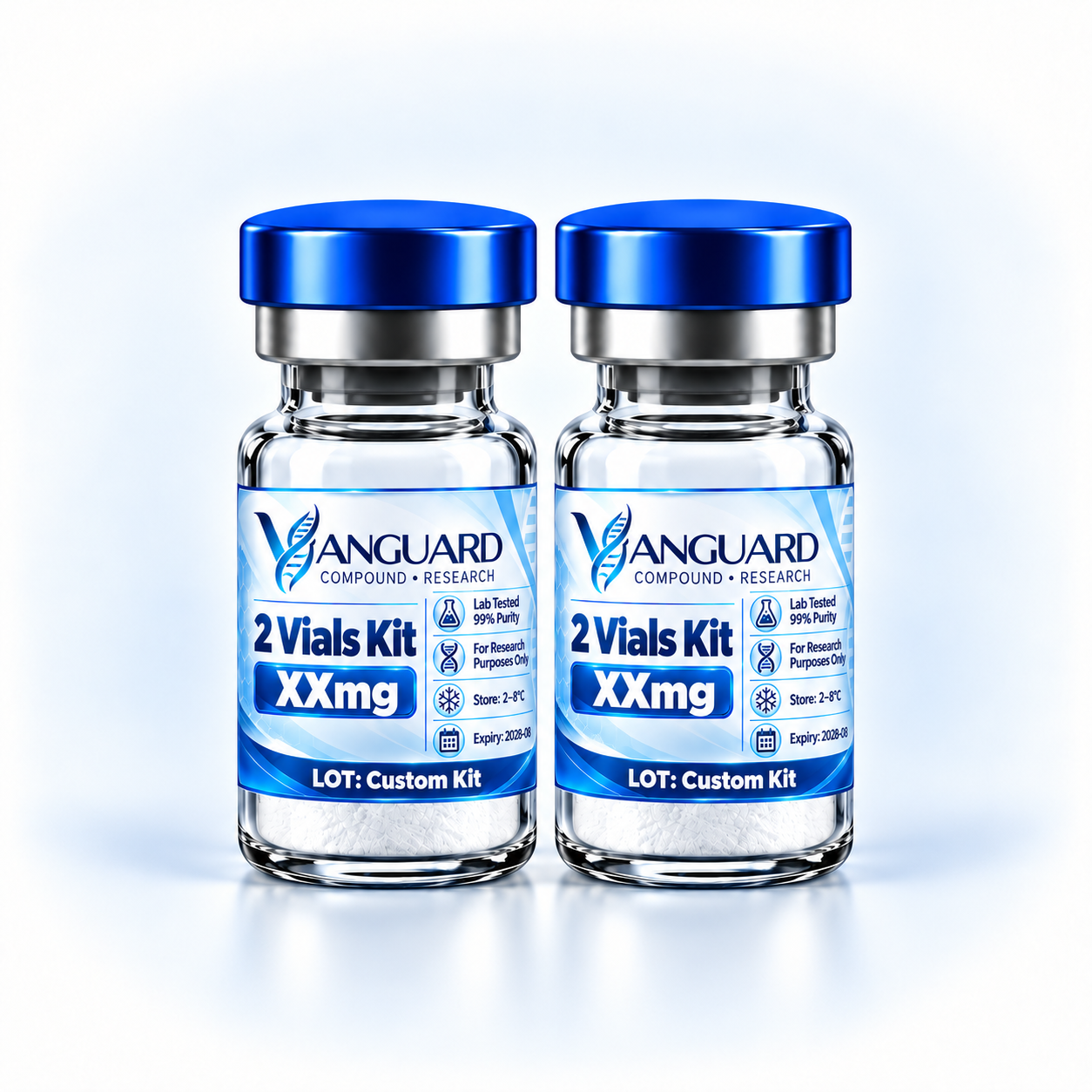
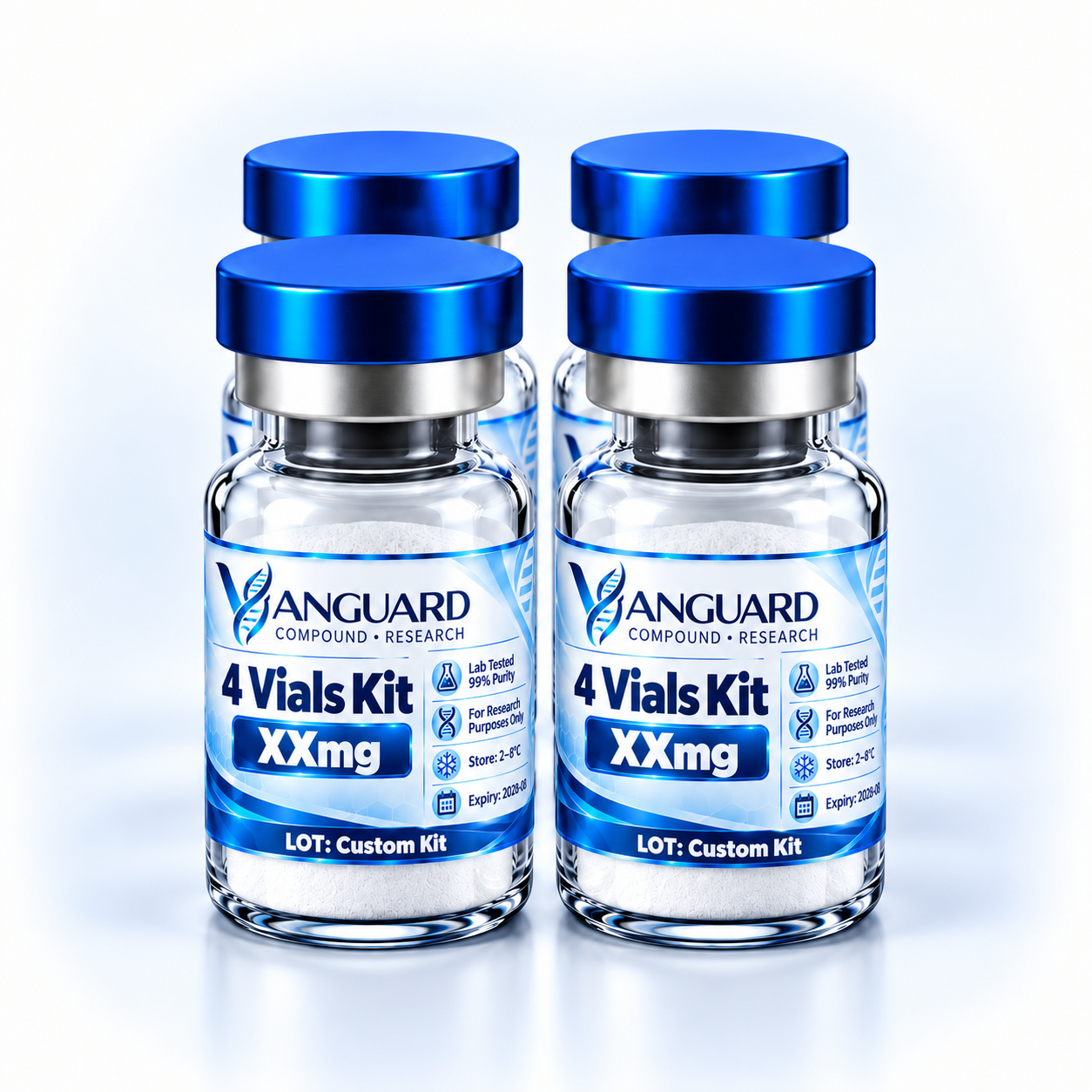
Choose a kit option to save more, or skip this and buy individually above.



*LC-MS identity confirmation may be performed when analytical review indicates conflicting, atypical, or inconclusive results.
MOTS-c, short for Mitochondrial Open Reading Frame of the 12S rRNA Type-c, is a mitochondrial-derived peptide consisting of 16 amino acids. Unlike most peptides studied in cellular signaling, which are produced from genes located within the cell nucleus, MOTS-c originates from a small open reading frame located within mitochondrial DNA.
This makes MOTS-c particularly interesting to researchers studying mitochondrial communication. Mitochondria are widely recognized for their role in producing cellular energy, but research increasingly shows that they also generate signaling molecules capable of influencing metabolism, stress responses, gene expression, and communication with other parts of the cell.
Mitochondria continually respond to changes in nutrient availability, physical activity, oxidative stress, and cellular energy requirements. Mitochondrial-derived peptides such as MOTS-c are being investigated as part of this signaling network.
Research suggests that MOTS-c can move beyond the mitochondria and participate in cellular pathways that help coordinate metabolic activity. Under certain forms of metabolic stress, MOTS-c has also been observed experimentally to interact with nuclear signaling pathways, creating a potential communication link between mitochondrial function and nuclear gene expression.
This mitochondrial-to-nuclear signaling has become an important area of research because it may help explain how cells adapt when energy requirements or environmental conditions change.
One of the most extensively studied pathways associated with MOTS-c is AMP-activated protein kinase, commonly known as AMPK.
AMPK functions as a cellular energy sensor. When cellular energy availability changes, AMPK can influence pathways associated with glucose utilization, fatty-acid metabolism, mitochondrial activity, and overall energy balance.
Experimental research indicates that MOTS-c can affect the folate and de novo purine-synthesis pathways, contributing to accumulation of the metabolic intermediate AICAR. AICAR is associated with activation of AMPK, providing researchers with a possible mechanism through which MOTS-c may influence broader metabolic activity.
Much of the early research involving MOTS-c focused on glucose metabolism and insulin sensitivity.
In experimental models, MOTS-c has been investigated for its ability to influence cellular glucose uptake and metabolic homeostasis. Animal studies have reported changes in insulin sensitivity and metabolic responses under high-fat-diet and age-associated conditions.
These findings have generated interest in MOTS-c as a research tool for examining the relationship between mitochondrial signaling, glucose regulation, skeletal-muscle metabolism, and metabolic stress.
The majority of these findings remain preclinical and should not be interpreted as established therapeutic effects in humans.
Skeletal muscle appears to be an important area of MOTS-c research because muscle tissue represents one of the body's largest consumers of glucose and energy.
Experimental studies have investigated how MOTS-c influences muscle-cell metabolism, fatty-acid utilization, glucose handling, mitochondrial signaling, and adaptation to metabolic stress.
Researchers are particularly interested in whether mitochondrial-derived signaling peptides help skeletal muscle adjust to periods of increased energy demand such as physical activity.
Exercise research has provided an important connection between naturally produced MOTS-c and human physiology.
Studies involving human participants have reported increases in endogenous MOTS-c in skeletal muscle and circulation following exercise. This suggests that MOTS-c may form part of the body's natural molecular response to physical activity.
Experimental animal research has also investigated MOTS-c in relation to physical capacity, skeletal-muscle function, and age-associated reductions in performance.
These findings have made MOTS-c an increasingly studied molecule in the fields of exercise physiology, mitochondrial biology, and metabolic adaptation.
Mitochondrial function changes with age, making mitochondrial signaling an important area of aging research.
MOTS-c has been studied in experimental models examining age-related metabolic changes, physical performance, cellular stress resistance, and maintenance of metabolic homeostasis.
Research has also examined how mitochondrial-derived peptides may activate adaptive pathways when cells encounter metabolic or environmental stress.
Rather than acting simply as an energy-producing organelle, the mitochondrion is increasingly viewed as a signaling center capable of coordinating cellular responses throughout the body. MOTS-c provides researchers with one model for studying this communication.
Research involving humans has primarily examined naturally occurring MOTS-c concentrations, exercise-related changes, aging, metabolic conditions, and genetic variations affecting the MOTS-c sequence.
Human studies demonstrating that endogenous MOTS-c responds to exercise provide evidence that the peptide participates in normal human physiology.
However, this is different from demonstrating the safety or effectiveness of externally administered MOTS-c. Controlled human intervention data remain substantially more limited than the existing cellular and animal literature.
While the biological research surrounding MOTS-c is increasingly detailed, several important questions remain unresolved.
Many reported metabolic and performance-related findings originate from cell-culture or animal models. Animal metabolism, dosing conditions, experimental environments, and disease models cannot automatically be translated into equivalent effects in humans.
Researchers continue to investigate the receptors, signaling pathways, tissue-specific effects, pharmacology, and long-term biological significance of MOTS-c.
MOTS-c represents an emerging area of mitochondrial and metabolic research rather than an established medical therapy.
Its unusual mitochondrial origin, relationship with AMPK signaling, response to exercise, and involvement in cellular energy regulation have made it particularly valuable for researchers examining mitochondrial communication and metabolic adaptation.
Continued laboratory and clinical investigation will be necessary to determine how findings from experimental systems relate to human physiology and whether mitochondrial-derived peptides eventually have broader biomedical applications.
For laboratory research only. Not for human or veterinary use.
MOTS-c is a synthetic research peptide corresponding to the naturally occurring mitochondrial-derived peptide encoded within the mitochondrial 12S rRNA region.
The nominal peptide quantity contained within each vial should be identified on the individual product label and corresponding batch documentation.
MOTS-c is composed of a defined 16-amino-acid sequence corresponding to the naturally occurring human mitochondrial peptide.
The defined amino-acid sequence provides the primary structural reference used for analytical identification and characterization.
MOTS-c research material is commonly supplied as a lyophilized solid designed to improve stability during controlled laboratory storage.
Physical appearance alone cannot establish peptide identity, quantity, or purity and should not be considered a substitute for analytical testing.
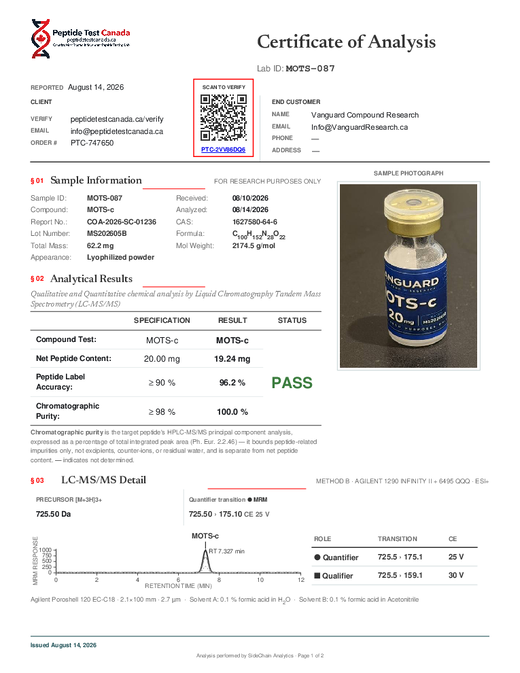
Analytical testing may be used to evaluate the identity, purity, and quantity of individual MOTS-c batches.
Common analytical techniques may include:
Purity percentage and peptide quantity should always be interpreted according to the specific analytical method used and the results reported for the individual batch.
Each manufactured batch may be assigned a unique batch or lot number allowing analytical documentation to be associated with the corresponding material.
Batch documentation may include:
Analytical results apply specifically to the samples and batch evaluated by the testing laboratory and should not automatically be applied to unrelated manufacturing lots.
Lyophilized peptides are sensitive laboratory materials and should be protected from conditions that may accelerate degradation.
Recommended laboratory handling principles include:
Actual stability may vary according to peptide formulation, storage environment, packaging, temperature, and duration of storage.
No single analytical technique establishes every characteristic of a peptide sample.
HPLC primarily provides information regarding chromatographic purity and does not independently establish total peptide quantity. Mass spectrometry can support molecular identification but does not by itself establish vial content or purity percentage.
Where quantitative peptide content is required, an appropriate validated quantitative assay or independent mass determination should be used.
Analytical results should therefore be interpreted according to the methodology, reference standards, instrumentation, and reporting practices used by the testing laboratory.
MOTS-c supplied through Vanguard Compound Research is intended exclusively for legitimate laboratory, analytical, and scientific research applications.
The material is not manufactured, packaged, or represented as:
For laboratory research only. Not for human or veterinary use.
Technical information presented for MOTS-c is intended to support product identification, laboratory research, and interpretation of available scientific literature.
Product-specific characteristics such as purity, tested quantity, batch number, and analytical results should be verified using the Certificate of Analysis or analytical documentation corresponding to the individual batch.
Scientific descriptions summarize areas of published research and should not be interpreted as evidence of established clinical safety, effectiveness, or approval for therapeutic use.Product Specifications
Additional documentation available upon request.
Each batch undergoes analytical review using validated laboratory procedures. HPLC testing is utilized to assess purity and compare the sample profile against established reference standards. Where additional verification is warranted, LC-MS analysis may be performed to support compound identity confirmation.
*See LC-MS Confirmation Information for full details.
Every batch supplied by Vanguard Compound Research is assigned a unique batch number and maintained under documented quality-control procedures with supporting analytical documentation available upon request.
All Vanguard Compound Research orders are shipped directly from within Canada, ensuring efficient delivery, reliable service, and consistent quality-control from fulfillment to arrival.
Products are maintained under documented quality-control procedures to help ensure quality, consistency, and transparency.
Each product is assigned a unique lot number, allowing researchers to match their item directly to its corresponding Certificate of Analysis (COA).
Supporting analytical documentation may be available for qualifying products, including batch-specific quality records and testing information.
Documentation may include: