Pinealon is a synthetic tripeptide composed of glutamic acid, aspartic acid, and arginine (Glu-Asp-Arg; EDR) that is primarily investigated in neurobiology, cellular-aging, oxidative-stress, and gene-regulation research. Experimental studies have examined its ability to influence neuronal survival, antioxidant defenses, cellular stress responses, and pathways involved in maintaining normal neuronal function. Pinealon has also been studied for its potential effects on reactive oxygen species, apoptosis, serotonin-related signaling, and neuronal gene expression. Cell-culture research suggests that the peptide can reduce oxidative-stress-associated cell injury while influencing ERK1/2 signaling and cell-cycle activity. Additional experimental work has explored EDR in models related to neuronal aging, dendritic-spine preservation, and neurodegenerative processes. Because Pinealon contains only three amino acids, it is also of interest as a model for studying how very short regulatory peptides may interact with gene-expression and protein-synthesis pathways. Most of the available evidence remains preclinical, mechanistic, or derived from limited clinical research, so these findings should not be interpreted as established therapeutic effects. This material is intended for laboratory research only, is not authorized by Health Canada for human therapeutic use, and is not intended for human or veterinary administration.
Choose a kit option to save more, or skip this and buy individually above.
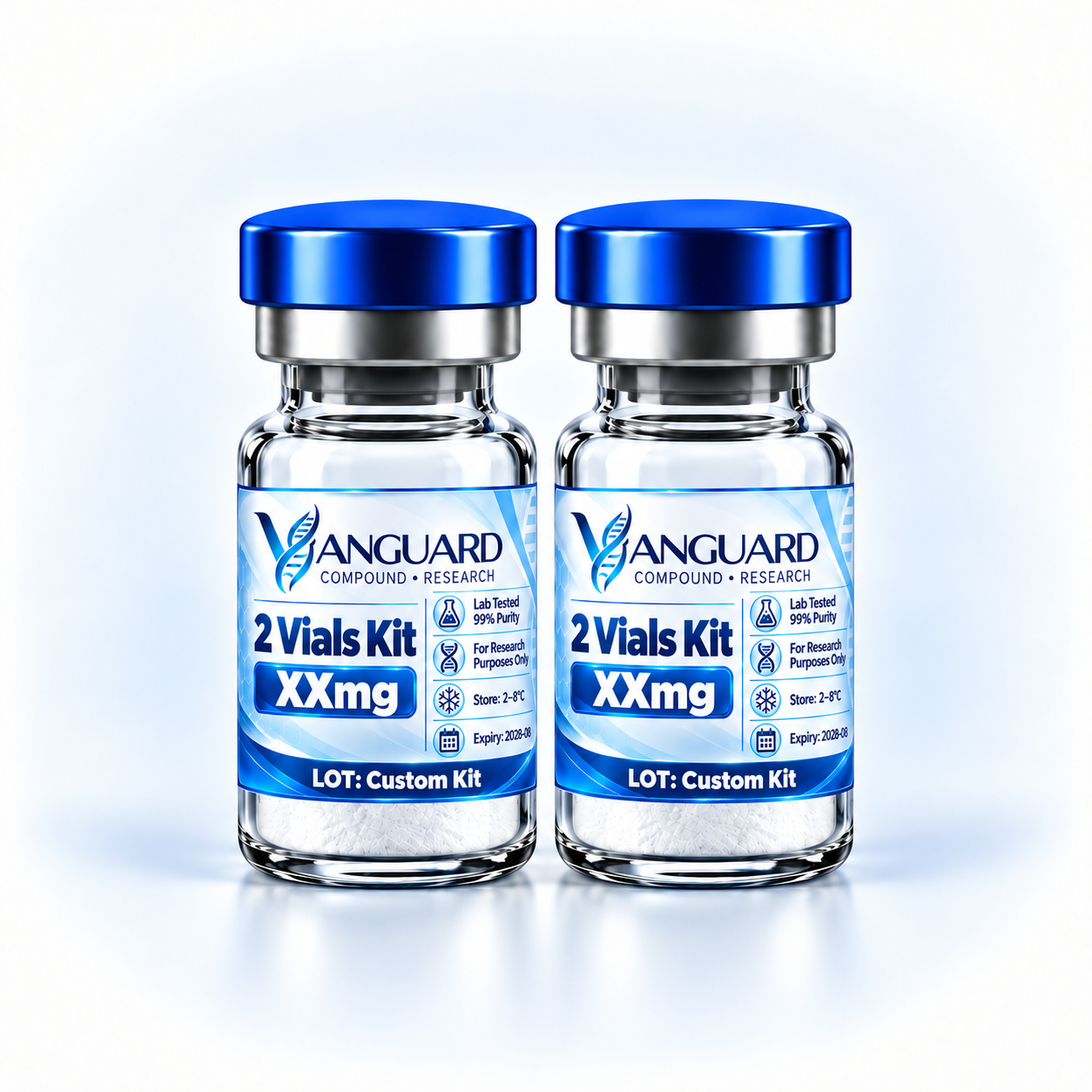
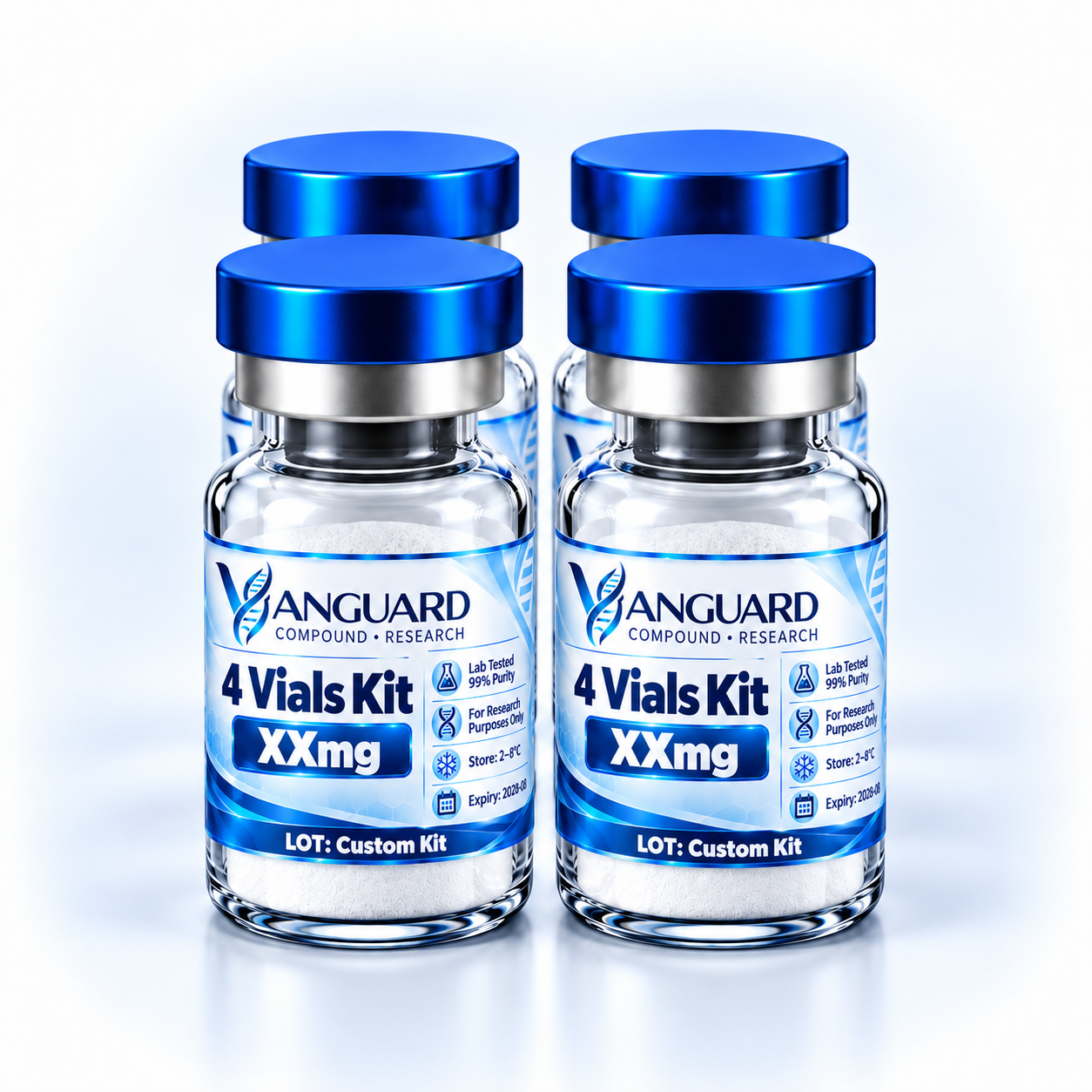

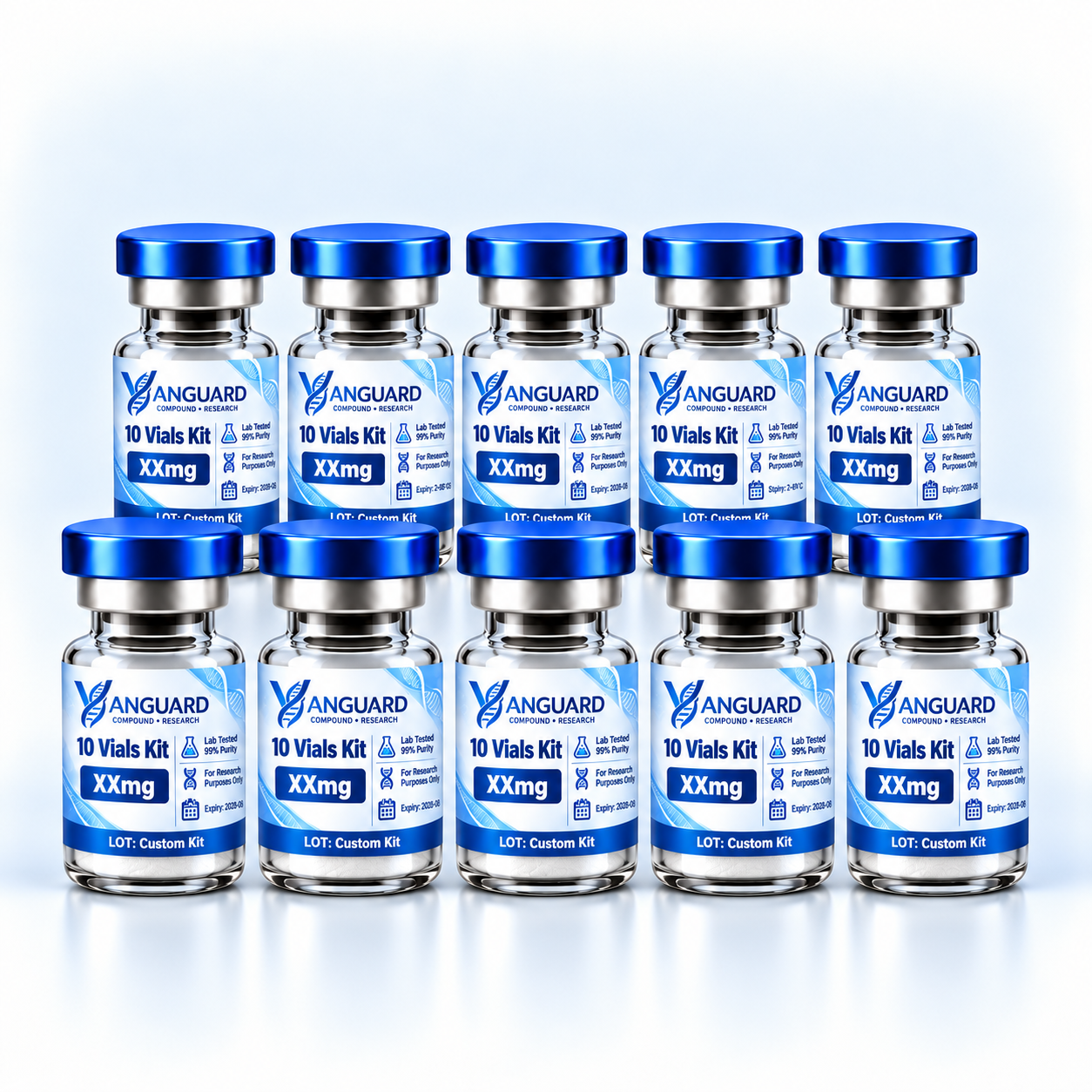


*LC-MS identity confirmation may be performed when analytical review indicates conflicting, atypical, or inconclusive results.
Pinealon, also known scientifically as Glu-Asp-Arg (EDR), is a synthetic short-chain tripeptide investigated primarily in the fields of neuroscience, cellular aging, oxidative stress, gene regulation, and neuronal protection.
Its amino-acid sequence is:
Glutamic Acid – Aspartic Acid – Arginine
or:
Glu-Asp-Arg (EDR)
PubChem identifies the compound as L-alpha-glutamyl-L-alpha-aspartyl-L-arginine and lists the molecular formula C₁₅H₂₆N₆O₈. PubChem The supplied Pinealon material is a 10 mg lyophilized powder with a molecular weight of 418.2 g/mol, consistent with the accompanying analytical documentation. Pinealon 10mg
Pinealon is generally classified as a regulatory tripeptide because research focuses less on conventional receptor agonism and more on its potential influence over intracellular signaling, oxidative balance, gene expression, protein synthesis, and neuronal cellular function.
Glutamic acid is the first amino-acid residue in the Pinealon sequence.
Glutamate is one of the most biologically important amino acids in the nervous system. It participates in protein synthesis, intermediary metabolism, cellular nitrogen balance, and excitatory neurotransmission.
Within Pinealon, glutamic acid contributes:
Its presence is particularly relevant to neurological research because glutamate metabolism is closely connected with neuronal energy requirements and neurotransmitter biology.
However, Pinealon should not be viewed simply as a source of free glutamate. The biological research surrounding Pinealon concerns the intact EDR peptide sequence, whose properties can differ substantially from those of its individual constituent amino acids.
Aspartic acid forms the central residue of Pinealon.
Like glutamic acid, aspartic acid is an acidic amino acid involved in numerous metabolic processes.
It participates in:
Within EDR, aspartic acid helps establish the peptide's charge distribution and molecular configuration.
Its position between glutamic acid and arginine may be important for the peptide's interaction with biological macromolecules.
Research into short regulatory peptides proposes that precise amino-acid sequence—not simply overall amino-acid composition—may determine biological activity.
Arginine forms the C-terminal residue of Pinealon.
Arginine differs chemically from the first two residues because it possesses a strongly basic guanidinium group.
This gives arginine a positive charge under physiological conditions and allows it to participate in electrostatic interactions with negatively charged biological molecules.
Arginine residues can influence interactions with:
The contrasting acidic glutamate and aspartate residues followed by basic arginine give Pinealon an unusual and potentially important molecular charge pattern.
The principal research focus surrounding Pinealon is neuronal protection and maintenance of neuronal function.
Published reviews describe experimental evidence suggesting that EDR can influence genes and proteins involved in:
Experimental models have reported reductions in neuronal apoptosis and preservation of dendritic structures under certain disease-related laboratory conditions. PubMed
These findings have led researchers to investigate Pinealon in the broader context of age-associated neurological dysfunction.
Oxidative stress occurs when cellular production of reactive oxygen species exceeds the capacity of antioxidant defense systems.
Neurons can be particularly sensitive to oxidative injury because of their:
A laboratory study of Pinealon reported dose-dependent restriction of reactive oxygen species accumulation in several cellular models exposed to oxidative stress.
The same study reported reduced necrotic cell death and changes in ERK1/2 activation and cell-cycle behavior. PubMed
This has made oxidative-stress biology an important area of Pinealon research.
Pinealon research extends beyond direct measurement of reactive oxygen species.
Studies and reviews have examined its possible influence on endogenous antioxidant systems.
Research involving EDR has discussed proteins and enzymes such as:
These enzymes form part of the cellular defense network used to manage reactive oxygen species.
The current hypothesis is therefore not simply that Pinealon acts as a conventional chemical antioxidant, but that it may influence cellular regulation of antioxidant-protective pathways. PubMed
Apoptosis is the regulated process of programmed cell death.
Normal apoptosis is essential for tissue maintenance, but excessive apoptotic signaling can contribute to loss of functional cells in neurological disease and aging models.
Pinealon research has examined proteins associated with apoptosis, including:
A review of EDR research describes experimental effects involving reduced neuronal apoptosis and altered expression of proteins associated with cell survival and stress responses. PubMed
This has contributed to Pinealon's use in mechanistic studies of neuronal cellular resilience.
The MAPK/ERK pathway is an important intracellular signaling network involved in:
Experimental Pinealon research has reported changes in the timing of ERK1/2 activation during oxidative stress. PubMed
Reviews have also proposed interactions between EDR and MAPK/ERK-associated regulatory mechanisms. PubMed
This makes Pinealon useful for investigating the relationship between peptide signaling, oxidative stress, and cellular survival.
One of the more distinctive areas of Pinealon research involves gene-expression regulation.
Short regulatory peptides have been proposed to interact with intracellular systems controlling gene transcription.
The precise mechanism remains under investigation.
Research hypotheses involving EDR include potential interaction with:
A published review proposed that Pinealon may alter expression of genes and proteins involved in neuronal activity, antioxidant defense, apoptosis, and metabolism. PubMed
This mechanism remains experimental and should not be interpreted as fully established.
Gene expression ultimately influences production of proteins that regulate cellular structure and function.
Pinealon has therefore been studied for potential effects on the synthesis of proteins associated with:
Research in this field seeks to understand whether very short peptides can function as molecular regulators rather than simply serving as nutrient-derived peptide fragments.
An interesting area of Pinealon research involves serotonin biology.
A 2014 study reported that Glu-Asp-Arg stimulated serotonin expression in aging cultures of rat cerebral cortex cells.
The authors also used molecular modeling to investigate possible interactions with a gene involved in serotonin synthesis. PubMed
This work has encouraged investigation of Pinealon in models involving:
These findings were obtained in experimental systems and do not establish Pinealon as a treatment for mood or psychiatric disorders.
Neurons communicate through highly specialized structures including dendritic spines.
These microscopic projections are important components of synaptic connections and neuronal plasticity.
Loss of dendritic spines can occur in various experimental models of neurodegenerative disease.
Published reviews of EDR research describe experimental findings in which Pinealon reduced the loss of dendritic spines in neuronal cultures used as models of Alzheimer's and Huntington's disease. PubMed
This has generated scientific interest in Pinealon's possible effects on:
Pinealon has been studied experimentally in the context of neurological aging and neurodegenerative mechanisms.
Research areas have included models associated with:
A published review specifically evaluated how EDR may affect genes and proteins relevant to Alzheimer's disease pathogenesis. PubMed
These studies are mechanistic and exploratory.
They do not establish Pinealon as a treatment or preventive therapy for Alzheimer's disease or other neurodegenerative conditions.
Pinealon also appears in research involving gerontology and cellular aging.
Aging involves numerous overlapping changes, including:
Because Pinealon has been investigated across several of these pathways, it is frequently classified as a geroprotective research peptide in the scientific literature surrounding short peptide bioregulators.
The broader field of short-peptide aging research remains developing, and a recent review emphasizes that many mechanisms are still incompletely understood. PubMed
Pinealon research has examined whether the peptide can influence cell survival during experimentally induced stress.
In cell models exposed to oxidative conditions, investigators reported:
The researchers proposed that Pinealon's effects may involve more than simple antioxidant action and could include regulatory interaction with cellular processes. PubMed
Pinealon remains an investigational peptide.
The scientific literature contains intriguing observations relating to neuroprotection, gene expression, antioxidant systems, neuronal aging, and cellular stress.
However, important limitations remain.
A considerable proportion of the research comes from:
Consequently, experimental findings should not automatically be extrapolated into established clinical benefits.
The formula, molecular weight, product strength, and lyophilized appearance correspond to the supplied Pinealon material. Pinealon 10mg
PubChem independently identifies Pinealon as Glu-Asp-Arg (EDR) with molecular formula C₁₅H₂₆N₆O₈. PubChem
Residue 1: Glutamic Acid — Glu / E
Residue 2: Aspartic Acid — Asp / D
Residue 3: Arginine — Arg / R
Sequence: Glu-Asp-Arg
Abbreviation: EDR
The precise order of these residues defines Pinealon as a specific tripeptide rather than simply a mixture of the three amino acids.
Pinealon is a small regulatory peptide consisting of three amino-acid residues joined through peptide bonds.
Its structure includes:
This combination produces a highly polar peptide suitable for research involving aqueous biological systems.
Pinealon is investigated in relation to:
Experimental models may examine:
Research interests include:
Applications include:
Experimental work has investigated:
A simplified research model can be represented as:
Pinealon / EDR
↓
Cellular uptake and intracellular interaction
↓
Gene-expression and signaling modulation
↓
MAPK/ERK, antioxidant and apoptosis-related pathways
↓
Changes in neuronal stress response and cellular viability
The exact molecular mechanism has not been conclusively established, and several proposed mechanisms remain hypotheses derived from experimental and computational studies. PubMed
Peptide type: Tripeptide
Sequence: Glu-Asp-Arg
Abbreviation: EDR
Molecular formula: C₁₅H₂₆N₆O₈
Molecular weight: Approximately 418.2 g/mol
Nominal vial strength: 10 mg
Physical form: Lyophilized powder
Form: Lyophilized powder
Nominal content: 10 mg per vial
Compound type: Synthetic tripeptide
Primary research category: Neurological and cellular-regulation research
Presentation: Research vial
Lyophilization removes water from peptide preparations and is commonly used to improve stability during appropriate storage before experimental preparation.
Pinealon is a small, highly polar peptide and is generally investigated in aqueous laboratory systems.
The supplied COA does not specify a particular solvent or solubility instruction, so solvent selection, concentration, pH, and preparation procedures should be determined by the laboratory's validated experimental protocol. Pinealon 10mg
Important variables may include:
Maintaining consistent preparation conditions is important when comparing experimental groups.
The supplied analytical document does not state a specific storage temperature.
For laboratory research, storage conditions should therefore follow the validated requirements for the supplied material rather than being inferred from the COA.
General research handling considerations include:
Researchers investigating Pinealon may evaluate several categories of endpoints.
Pinealon may be relevant to controlled laboratory investigations involving:
Pinealon 10 mg is intended for controlled scientific investigation involving:
Experimental findings should not automatically be extrapolated to therapeutic outcomes in humans.
Pinealon remains an investigational research peptide.
It is not authorized by Health Canada for human or veterinary use.
The product is intended strictly for laboratory and research purposes and is not intended for clinical, diagnostic, therapeutic, or veterinary administration.
No documents available for this product yet.
Additional documentation available upon request.
Each batch undergoes analytical review using validated laboratory procedures. HPLC testing is utilized to assess purity and compare the sample profile against established reference standards. Where additional verification is warranted, LC-MS analysis may be performed to support compound identity confirmation.
*See LC-MS Confirmation Information for full details.
Every batch supplied by Vanguard Compound Research is assigned a unique batch number and maintained under documented quality-control procedures with supporting analytical documentation available upon request.
All Vanguard Compound Research orders are shipped directly from within Canada, ensuring efficient delivery, reliable service, and consistent quality-control from fulfillment to arrival.
Products are maintained under documented quality-control procedures to help ensure quality, consistency, and transparency.
Each product is assigned a unique lot number, allowing researchers to match their item directly to its corresponding Certificate of Analysis (COA).
Supporting analytical documentation may be available for qualifying products, including batch-specific quality records and testing information.
Documentation may include: